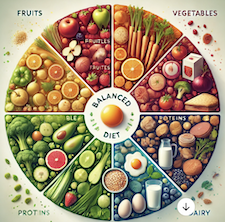
The importance of a balanced diet is fundamental to living a healthy and active life. From long experience in health writing and observing everyday habits, it is clear that balanced eating is not about strict rules, but about giving the body what it truly needs. A balanced diet helps the body function properly, supports energy, and protects against many health problems
.Balanced Meal Plate Showing The Benefits Of A Healthy Diet
Provides Essential Nutrients
One major importance of a balanced diet is that it supplies all essential nutrients in the right proportions. Carbohydrates provide energy, proteins help in building and repairing body tissues, and fats support brain function and hormone balance. Vitamins and minerals strengthen bones, support vision, and maintain healthy skin. When these nutrients are taken together in balance, the body performs its daily functions smoothly without stress or deficiency.
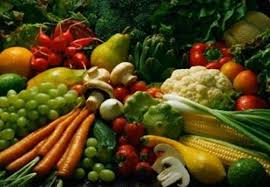
Nutrient-Rich Foods for Daily Health
Supports Steady Energy Levels
A balanced diet plays a key role in maintaining steady energy throughout the day. Foods like whole grains, fruits, and vegetables release energy slowly, preventing sudden fatigue. Healthy fats provide long-lasting fuel, while proteins support muscle strength. This balance ensures that the body does not experience energy crashes and stays active for longer periods.
Improves Digestion and Metabolism
Another important importance of a balanced diet is improved digestion. Fiber-rich foods such as fruits, vegetables, and whole grains help maintain a healthy digestive system. Good digestion allows the body to absorb nutrients effectively. A balanced diet also supports a healthy metabolism, enabling the body to convert food into energy efficiently.
How To Work On Better Digestion Naturally Every Day
Strengthens the Immune System
The importance of a balanced diet is clearly seen in immune health. Vitamins like A, C, and D, along with minerals such as zinc and iron, help the body fight infections. Regular intake of nutritious foods strengthens the immune response and reduces the chances of frequent illness.
Helps Maintain Healthy Weight
Balanced eating helps control body weight by preventing overeating and unhealthy cravings. Proper portion sizes and nutrient balance keep hunger under control. This importance of a balanced diet is especially important in reducing the risk of obesity and related health problems such as diabetes and heart disease.
Daily Habits For A Healthy Heart And Balanced Blood Pressure:
Supports Mental and Emotional Health
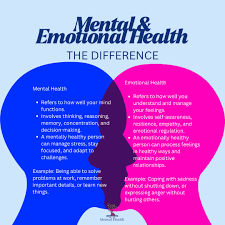
The brain also depends on balanced nutrition. A diet rich in healthy fats, vitamins, and minerals improves focus, memory, and emotional stability. The importance of a balanced diet extends to mental well-being, as good nutrition helps manage stress and supports a positive mood.
Reduces Risk of Chronic Diseases
One long-term importance of a balanced diet is disease prevention. Healthy eating habits reduce the risk of chronic conditions such as high blood pressure, heart disease, and type 2 diabetes. A balanced diet supports long-term health and improves quality of life.
https://www.keckmedicine.org/blog/7-fruits-that-can-help-you-lose-or-maintain-your-weight/
Supports Growth and Development
Balanced nutrition is essential for children, teenagers, and adults alike. Proper nutrients support physical growth, bone development, and muscle strength. This importance of a balanced diet ensures healthy development at every stage of life.
You’re Guide to Better Health And Energy
Conclusion
In conclusion, the importance of a balanced diet lies in its ability to support energy, digestion, immunity, mental health, weight management, and disease prevention. A balanced diet is the foundation of a healthy lifestyle and helps the body stay strong, active, and resilient over time.