
We can all feel how winter air becomes cold and dry, which often makes breathing harder. This is especially true for people who already have asthma, allergies, or weak lungs.
Practicing breathing exercises in winter helps keep our lungs strong, improves oxygen flow, and supports overall health.
We should make it a daily habit to breathe deeply and calmly during the cold season to protect our respiratory system.
Why Breathing Exercises in Winter Are Important?
We can understand that during winter, the air becomes dry and filled with dust or smoke from heating devices. This is one reason why many people experience coughing or shortness of breath.
Breathing exercises in winter can help open the airways and make it easier to inhale and exhale. This is an easy and natural way to keep our lungs warm and active, even when the temperature drops.
Often, we don’t realize that shallow breathing limits the oxygen reaching our body. When we practice deep breathing, it helps our lungs expand fully and clears out stale air. This improves our energy, reduces tiredness, and supports heart health too.
Deep Breathing Exercise:
We should start with the simplest form deep breathing. We can sit comfortably, close our eyes, and slowly breathe in through the nose.
Then we can hold the breath for a few seconds and exhale through the mouth. Doing this for 5,10 minutes every morning helps increase lung capacity and keeps the airways open.
This is one of the most effective breathing exercises in winter to prevent tightness or discomfort in the chest.
Diaphragmatic Breathing (Belly Breathing):
We can try diaphragmatic breathing, also known as belly breathing. This exercise strengthens the diaphragm the main muscle used in breathing. We can place one hand on our chest and the other on our stomach. As we breathe in, our stomach should raise, not the chest.
Then, we slowly breathe out.
This is a relaxing technique that improves oxygen intake and reduces stress. Practicing this regularly in winter helps us stay calm and breathe better, even in cold air.
Pursed-Lip Breathing:
We can do this simple exercise anywhere. We should breathe in through the nose for two seconds, then breathe out slowly through pursed lips (as if blowing air gently).
This helps control shortness of breath and improves airflow in and out of the lungs.
Often, people with asthma or COPD find pursed-lip breathing useful during winter when the cold air feels heavy.
Alternate Nostril Breathing:
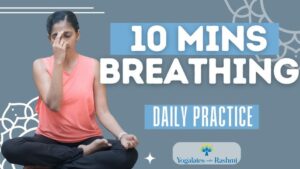
We should also try alternate nostril breathing, which balances oxygen flow and calms the mind. We can close one nostril, breathe in through the other, and then switch sides.
This is a traditional breathing method known to clear the sinuses and improve focus.
Doing this exercise during winter mornings can warm up our body and improve overall breathing health.
Humming Breath (Bhramari Pranayama):
This is a gentle and relaxing breathing exercise. We can inhale deeply and, while exhaling, make a soft humming sound like a bee. It improves lung function, relaxes the mind, and helps reduce irritation caused by cold air.
This is an enjoyable breathing exercise in winter that can be practiced by both children and adults.
Morning Breathing Routine
We should practice breathing exercises in winter every morning before breakfast. Fresh morning air contains more oxygen and less pollution.
Doing deep breathing for 10,15 minutes daily can strengthen the lungs, clear mucus, and improve blood circulation. This is a simple habit that supports immunity and helps us stay energetic throughout the day.
Indoor Care While Practicing Breathing Exercises
We can make our indoor environment safe for breathing exercises. We should keep windows slightly open for fresh air, avoid burning candles or incense that release smoke, and use a humidifier to keep the air moist.
Often, people forget that dry indoor air can irritate the lungs. This is why creating a clean, fresh space is important before starting breathing exercises in winter.
Benefits of Breathing Exercises in Winter:
We can see many health benefits when we practice daily:
- Improves lung strength and capacity
- Reduces shortness of breath and coughing
- Keeps airways warm and moist
- Reduces stress and improves focus
- Helps people with asthma or allergies
- Boosts immunity and blood circulation
This is how a few minutes of regular practice can make a big difference in our winter health.
Common Mistakes to Avoid During Breathing Exercises in Winter:
We can often make small mistakes that reduce the benefits of breathing exercises in winter. Knowing what to avoid helps us stay safe and get better results.
1. Doing Breathing Exercises in Very Cold Air
We should avoid doing breathing exercises outside when the air is too cold. Cold air can tighten our airways and make it hard to breathe. It’s better to practice indoors where the air is warm and clean.
2. Breathing Too Fast:
Often, people breathe too quickly, thinking it helps. But this is a mistake. Fast breathing can make us feel dizzy or tired. Slow and deep breathing gives the lungs more oxygen and helps the body relax.
3. Not Sitting in the Right Posture:
We should always sit straight while doing breathing exercises in winter. A bent posture limits airflow and reduces the benefits of the exercise. Sitting upright helps the lungs expand fully.
4. Ignoring Indoor Air Quality:
This is another common mistake. Doing breathing exercises in a room filled with dust or smoke can harm the lungs. We should keep the room clean, use a humidifier, and make sure there’s proper ventilation.
5. Skipping Regular Practice:
We can lose the benefits if we don’t practice regularly. Consistency is key. Just 10 minutes of daily breathing practice can improve lung strength and overall health in winter.
6. Holding the Breath for Too Long:
We should not hold our breath longer than comfortable. This can create pressure in the chest and make us lightheaded. Gentle breathing is always safer and more effective.
7. Forgetting to Stay Hydrated:
We often forget to drink enough water in winter. This is a big mistake because dry air makes our airways dry too. Drinking water keeps our lungs moist and supports healthy breathing exercises in winter. We should avoid practicing breathing exercises in very cold air or directly under a fan or heater. We can cover our mouth and nose with a light scarf if the room feels cold.
Often, people breathe too fast or forcefully, which can make them dizzy. We should always breathe slowly, calmly, and with focus.
How Long Should We Practice?
We can start with 5 minutes a day and slowly increase to 15, 20 minutes. Consistency matters more than duration. Even short sessions of breathing exercises in winter can improve lung health and comfort.
We can protect our lungs naturally by making breathing exercises part of our daily winter routine. We should remember that cold and dry air can slow down our breathing, but with regular practice, we can keep our lungs strong and healthy.
This is one of the easiest and most natural ways to maintain wellness in winter without any cost or medicine. Practicing breathing exercises in winter keeps our body warm, our mind calm, and our breath steady a perfect way to stay,