Reasons For Smog In Winter:
Introduction:
Smog in winter becomes a serious problem in many cities. This happens because cold air and pollution mix together and stay close to the ground. Here are the main reasons for smog in winter:
Winter is a season when the air becomes cold and heavy. Because of this, pollution does not move away like it does in warmer months. Instead, smoke, dust, and harmful gases stay close to the ground and mix with fog. This creates a thick, dirty layer in the air known as smog.
The reasons for smog in winter are many. Vehicle smoke, factory emissions, burning trash, and low wind speed all make the air more polluted. Weather effects like temperature inversion also trap pollution and increase smog. When smog becomes stronger, it affects our breathing, our daily life, and our health, especially for children and older people.
Understanding the main causes of smog in winter helps us protect ourselves and take better steps toward clean and safe air for everyone.
Top Causes of Increased Smog in Winter (Quick Info Table)
| Main Cause | How It Increases Smog in Winter | Result |
| Vehicle Emissions | Cold engines burn more fuel | Thick fog + trapped pollutants |
| Industrial Smoke | Factories run continuously in winter | Heavy pollutants in air |
| Burning of Waste | People burn plastics, crops, and trash | Toxic smoke clouds form |
| Low Wind Speed | Air does not move freely in winter | Pollutants stay in the air |
| Temperature Inversion | Warm air traps cold air near ground | Smog remains close to breathing level |
This is because cold air reduces oxygen circulation, making breathing harder.
Often children and elders suffer the most due to weak lungs.
We can see more cases of asthma and cough during smog days.
This is why eyes become watery and irritated in polluted air.
We can also feel fatigue and headaches due to less oxygen supply.
This is how heart and lung diseases may become worse in winter.
Vehicle Pollution
Vehicle pollution is one of the biggest reasons for smog in winter.
Cars, buses, trucks, and motorcycles release harmful gases like carbon monoxide and nitrogen oxides. In winter, these gases mix with fog and stay near the ground because the air b is cold and heavy. This creates thick smog that makes breathing difficult and reduces visibility on the roads.
https://www.pathkindlabs.com/blog/what-causes-smog-during-winters
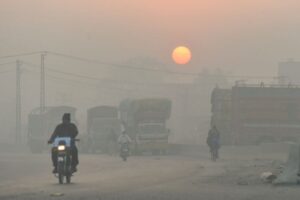
Commuters make their way amid smoggy conditions in Lahore on November 8, 2021. (Photo by Arif ALI / AFP) (Photo by ARIF ALI/AFP via Getty Images) Industrial EmissionsFactories release smoke, chemicals, and tiny particles into the air. During the winter season, polluted air cannot rise up due to low temperature. These emissions build up in the atmosphere and become a major cause of smog in winter, especially in industrial cities.
Burning Trash and Wood
Many people burn wood, coal, and even plastic to stay warm in cold weather. Some areas also burn waste for disposal. This burning produces thick smoke, harmful gases, and toxic chemicals, which directly add to smog in winter and make the air more dangerous.
Low Wind Speed
In winter, winds are very slow. Because of this, polluted air does not move away from cities. Low wind speed traps smoke, dust, and harmful particles in one place, causing smog to increase day by day. This is why smog becomes worse after calm and cold nights.
Temperature Inversion
Temperature inversion is a weather effect where warm air stays above and cold air stays below.
Normally, air warms up and rises, taking pollution away. But in winter, warm air acts like a blanket and traps cold air near the surface. Because of this, pollution remains stuck close to the ground and forms smog.

High Use of Heaters
Gas heaters, coal stoves, and wood fires produce carbon dioxide and smoke. When families use these heaters in closed spaces, pollution increases both indoors and outdoors. This adds to the smog problem in winter, especially in areas where electricity is limited.
Construction Dust
Dust from construction sites mixes with winter fog and forms smog. Because the air is still and heavy, dust particles do not settle or move away, making the environment hazy and harmful.
Final Words
All these factors vehicle smoke, industrial pollution, burning waste, low winds, and temperature inversion — come together and create thick smog in winter. It affects our breathing, reduces visibility, and harms our overall health. By reducing pollution and following clean habits, we can improve the air and protect our families during the cold season.
How Vehicle Issues Increase Smog in Winter:
Vehicle smoke is one of the biggest reasons for smog in winter. When a car is not working properly, it creates even more pollution than usual. Here are common vehicle problems that make winter smog worse:
Engine is Cold
When the weather is cold, the engine takes time to warm up. During this time, it burns fuel less efficiently and releases extra smoke into the air. This unburned fuel becomes harmful pollutants that mix with winter fog and form smog. Cold starts in the morning are especially dangerous for air quality.
Oil Needs to Be Changed
Old or dirty engine oil makes the engine work harder. When the oil is not changed on time, the engine overheats, wastes fuel, and produces more toxic emissions. Clean oil helps reduce pollution and keeps the vehicle running smoothly, which is important to control smog in winter.
Tires Not Properly Inflated
Tires that are low on air increase friction with the road. This causes the engine to use more fuel, which leads to higher smoke and carbon emissions. Proper tire inflation saves fuel and helps reduce the vehicle pollution that causes smog in winter.
Catalytic Converter Is Malfunctioning
The catalytic converter is a special part of the car that removes harmful gases from the exhaust.
When it is damaged or not working properly:
More toxic chemicals enter the air
Air pollution increases Smog becomes worse during winter Regular checks help keep this part working and protect the environment.
Repairs Are Needed But Ignored
Many people delay small vehicle repairs, especially during winter. But when parts like spark plugs, filters, or brakes are not fixed on time, the engine runs poorly and creates extra smoke and pollution. Proper vehicle maintenance plays a big role in reducing smog during the cold season.
FAQ About Smog in Winter
Q1: Why does smog increase in winter?
Smog increases in winter because cold air traps pollutants near the ground, making the air dirty and harmful.
Q2: Who is most affected by winter smog?
Children, older adults, and people with asthma or weak lungs are more affected by smog in winter.
Q3: Can staying indoors protect us from smog?
Yes, staying indoors during high smog days helps keep harmful germs and polluted air away.
Q4: How can we protect ourselves from smog?
We can wear masks, stay hydrated, eat healthy foods, and avoid going outside early morning when smog is thick.
Q5: Does smog in winter cause serious health problems?
Yes, it can cause breathing issues, coughing, headaches, and may also worsen heart and lung diseases.