
Healthy Food In Winter Detailed Guide For Strong Health:

Introduction:
In winter, the weather becomes cold, and our body needs extra care. We easily get sick with cough, flu, and chest infection because the immune system becomes weak. That is why choosing healthy food in winter is very important for children, adults, and older people.
Winter foods provide warmth, protect our lungs from smog, and give us strength to stay active every day.
Cold weather affects our body in many ways. We often feel weak, our immunity becomes low, and we catch flu very easily.
That is why healthy food in winter is important for every family member. Seasonal foods provide warmth, protect our lungs, and give energy to stay active during long winter days. Below are the best winter foods explained in detail:
Root Vegetables:
Root vegetables such as carrots, potatoes, radish, and beetroot grow underground. They keep the body warm and provide long-lasting energy. Carrots improve eyesight and skin health, while potatoes give carbohydrates for strength.
Beetroot supports healthy blood circulation. These vegetables are easy to cook in soups, curries, and salads, making them a perfect healthy food ,
Citrus Fruits:
Citrus fruits like oranges, lemons, and kino are full of vitamin C. This vitamin protects the lungs from cold air and smog. It also prevents cough, flu, and throat infections.
Drinking warm lemon water in the morning keeps the body fresh and removes toxins. Giving citrus fruits to children every day boosts their immunity, making it a smart winter food choice.
Soup The Best Winter Meal:
Soup is one of the most comforting and healthy foods in winter. It keeps the body warm and supports breathing health. Soups are light on the stomach yet full of nutrients.
Children and older people especially benefit from warm soups on cold nights.
Classic Vegetable Soup:
This soup contains carrots, peas, tomatoes, beans, and spinach. It helps digestion, supports growth in children, and protects the body from winter infections. It can be served as a starter or as a full meal.
Leafy Greens:
Leafy vegetables such as spinach, cabbage, fenugreek (methi), and broccoli provide iron, calcium, and vitamin K.
https://www.heartfoundation.org.nz/about-us/news/blogs/healthy-eating-winter
These nutrients keep bones strong and improve blood health. Because people are less active in winter, leafy greens help prevent fatigue and weakness.
Sweet Potato:
Sweet potato is a delicious and warm winter food. It contains vitamin A, fiber, and antioxidants. It keeps the stomach full for hours and improves lung function.
Roasted sweet potatoes are a popular winter treat and a strong source of energy for children and adults.
Black Bean Soup:
Black beans are a high-protein food that keeps the body strong. Black bean soup supports bone health, digestion, and immunity. It is budget-friendly and great for people who want healthy winter meals without spending much.
Chicken Soup:
Chicken soup is known as a natural home remedy for cough and flu. It helps clear the throat and supports lung health. It gives warmth from inside and speeds up recovery from winter illnesses. It is a favourite for kids because it is tasty and easy to swallow.
Greek Lentil Soup:
Greek lentil soup is rich in plant protein and minerals like iron. It supports muscle growth, keeps the heart healthy, and gives strength for daily activities. It improves digestion and keeps the body warm for a longer time.
Yogurt:
Yogurt is a because it improves digestion and protects the stomach from infections. It is rich in calcium which keeps bones strong. Eating yogurt with fruits or honey makes a delicious and healthy snack for all family members.
Butternut Squash:
Butternut squash is a warm and energy-boosting vegetable. It provides vitamin A which supports eyesight and lung health in cold months. It can be cooked in soups, baked dishes, or curries as a perfect healthy food in winter.
Carrots:
Carrots help keep the skin healthy and protect the body from winter dryness. They are rich in Vitamin A and keep the heart strong. Carrots are enjoyed in many winter recipes like gajar-ka-halwa, gajar-ka-ras, and gajar-shalgam-ka-achaar, making them a favorite healthy food in winter.
Cauliflower:
Cauliflower is full of fiber and vitamins that help digestion and keep the body strong. It can be used in salads, soups, and curries. It is a budget-friendly winter vegetable and a great healthy choice.
Dried Fruits:
Dried fruits like raisins, dates, and figs provide natural energy and warmth. They help prevent weakness and improve blood health, making them an ideal healthy food in winter for kids and adults.
Herbs:
Herbs like ginger, garlic, mint, and coriander protect the body from infections. They add flavor to meals and also improve breathing and digestion in winter.
Nuts:
Almonds, walnuts, pistachios, and peanuts give warm energy in cold weather. Nuts improve brain health, especially in children. They are a powerful that prevents tiredness.
Oats:
Oats are high in fiber, good for heart health, and keep the stomach full for long hours. A warm bowl of oatmeal with milk is one of the best breakfast options during winter.
Spinach;
Spinach is full of iron, calcium, and vitamins. It prevents anemia and makes bones strong. It supports immunity and helps the body fight common winter illnesses.
Apples:
Apple is a complete healthy food in winter because it gives instant energy and keeps digestion healthy. “An apple a day keeps the doctor away” fits perfectly in winter.
Bananas:
Bananas are rich in potassium which protects muscles and improves strength. They are a quick source of energy for children and adults during cold mornings.
Winter Dish Ideas — Tasty and Healthy
Butternut Squash Soup:
This soup is creamy, warm, and good for lung and heart health. It is easy to digest and keeps the body warmly active.
Caribbean Chicken Salad:
This colorful salad made with chicken, herbs, and vegetables gives protein, vitamins, and energy. It balances health and taste together in winter.
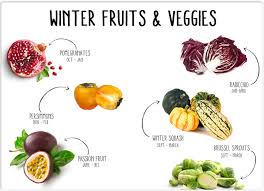
Brussels Sprouts:
Brussels sprouts protect the body from infections and improve heart health. They can be roasted or added to salads for an extra crunch.
Why These Foods Are Important in winter?
They boost immunity
They protect the lungs from smog and cold
They prevent infections like flu
They provide energy to stay active
They support bone and muscle health
Winter is the best time to enjoy seasonal foods. With the right choices, every family member can stay warm, healthy, and happy throughout the season.
FAQs About Healthy Food in Winter:
Q1: Why should we eat seasonal foods in winter?
Winter seasonal foods give more energy and protect our body from infections. They are fresh, nutritious, and good for immunity.
Q2: Which fruits are best for winter health?
Oranges, guava, lemons, and strawberries are the best because they are rich in vitamin C.
Q3: Are soups really helpful in winter?
Yes! Soups keep the body warm, improve digestion, and support better breathing during cold days.
Q4: Which vegetables give more warmth in winter?
Carrots, sweet potatoes, and leafy greens keep the body energetic and warm.
Q5: How can we keep children strong in winter?
Give them warm meals, vitamin-rich fruits, nuts, and enough water daily.
Conclusion:
Winter is a beautiful season, but it can make our body weak if we do not eat properly. Choosing healthy food in winter like root vegetables, citrus fruits, soups, leafy greens, and sweet potatoes keeps the whole family strong, warm, and healthy. With simple food habits, we can enjoy the season happily and stay safe from common winter illnesses.