
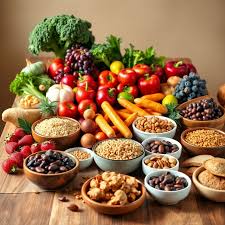
What Are Whole Foods?
Whole foods are foods that are minimally processed and as close to their natural form as possible. Examples include fresh fruits, vegetables, whole grains, legumes, nuts, seeds, eggs, and lean meats. From experience, switching from processed foods to whole foods can make a huge difference in energy levels, digestion, and overall health.
Whole foods are nutrient-dense, meaning they provide a high amount of vitamins, minerals, fiber, and antioxidants without unnecessary additives, preservatives, or refined sugars. Incorporating whole foods daily ensures the body receives essential nutrients in their most natural and effective form.
whole foods
Why Whole Foods Are Important for Health?
The importance of all whole foods are visible in almost every system of the body. From experience, people who eat mostly whole foods feel more energetic, maintain a healthy weight, and have stronger immunity.
Improved Digestion
Whole foods are rich in fiber, which aids digestion, prevents constipation, and promotes a healthy gut microbiome.
Stable Blood Sugar Levels:
Complex carbohydrates from whole grains and legumes release energy slowly, preventing sugar spikes and crashes.
Heart Health:
Nuts, seeds, whole grains, and leafy vegetables help reduce cholesterol levels and improve heart health.
Benefits of Whole Foods for Energy
Nutrient-Rich Foods for Daily Health
Eating necesary provides long-lasting energy. Unlike processed foods, which often contain refined sugar and empty calories, whole foods release energy gradually. From experience, starting the day with whole foods like oatmeal, fruits, or eggs improves concentration and productivity.
Whole foods also help prevent fatigue. Fiber, protein, and complex carbs together sustain energy for several hours, reducing the need for mid-morning snacks.
https://nlccwi.org/eat-this-not-that-the-benefits-of-whole-foods/
Whole Foods and Immunity:
Theextend to strengthening immunity. Vitamins (like C and A), minerals (like zinc and magnesium), and antioxidants found in fruits, vegetables, nuts, and seeds help the body fight infections. From experience, people who eat more whole foods during cold and flu season report fewer illnesses and faster recovery.

Whole Foods for Weight Management
Whole foods are naturally low in added sugars, unhealthy fats, and calories, making them ideal for maintaining a healthy weight. From experience, replacing processed snacks with fruits, nuts, and seeds leads to reduced cravings and better portion control.
Additionally, the fiber in whole foods promotes a feeling of fullness, which reduces overeating. Whole grains like oats and brown rice, combined with vegetables, provide satisfying meals that support metabolism and weight management.
Whole Foods for Mental Health
Recent research and experience show that the benefits of mental health include improved mood and mental clarity. Nutrients like omega-3 fatty acids (from seeds, nuts, and fish), magnesium (from leafy greens), and B vitamins (from whole grains) support brain function and reduce stress levels.
From experience, meals rich in whole foods help people feel calmer, more focused, and productive throughout the day.
Mental Health
Practical Tips to Include Whole Foods Daily
Practical Tips to Include Whole Foods Daily for Better Health:
Including whole foods daily is one of the simplest and most effective ways to improve overall health. From personal experience and long-term observation, people who slowly shift toward whole foods feel more energetic, digest food better, and maintain a healthier lifestyle without strict dieting. Whole foods nourish the body naturally and support long-term wellness.
Practical Tips
What Are Whole Foods and Why They Matter:
Whole foods are foods that remain close to their natural form. These include fresh fruits, vegetables, whole grains, nuts, seeds, legumes, eggs, and unprocessed meats. Eating whole foods daily helps the body receive essential nutrients without harmful additives.
Processed foods often contain excess sugar, salt, and unhealthy fats, while whole foods support natural body functions and balanced energy levels.
Start the Day with Whole Foods Daily at Breakfast:
Breakfast sets the tone for the entire day. From experience, starting the morning with whole foods daily keeps hunger under control and improves focus.
Simple whole-food breakfast ideas:
Oats with fruits and nuts
Boiled or scrambled eggs with vegetables
Whole-grain toast with peanut butter
Fresh fruit smoothies
These options provide fiber, protein, and steady energy.
Plan Meals in Advance to Include Whole Foods Daily
Planning meals helps avoid unhealthy choices. When whole foods are prepared and available, it becomes easier to eat whole foods daily without stress.
Practical planning tips:
Create a weekly meal plan
Shop with a grocery list focused on wholefoods
Prepare vegetables in advance
Cook grains in bulkThis habit saves time and improves consistency.
Choose Whole Foods Daily for Smart Snacking:
Snacking is often where unhealthy habits begin. Replacing packaged snacks with whole foods daily improves digestion and energy.
Healthy whole-food snack options:
Fruits like apples and bananas
Nuts and seeds
Yogurt with honey
Boiled eggs
These snacks reduce cravings and support metabolism.
Fruits like apples and bananas
Apples and bananas are my go-to healthy snacks. From personal experience, they are easy to eat, keep hunger away, and give quick, natural energy.
Nuts and seeds
Nuts and seeds may be small, but they are very filling. I’ve noticed they help control cravings and keep me satisfied between meals when eaten in moderation.
Yogurt with honey
Yogurt with a little honey feels light yet nourishing. In my experience, it supports digestion and makes a perfect healthy snack without feeling heavy.
Boiled eggs
Boiled eggs are simple and powerful. I find they keep me full for longer and provide steady energy, especiallyduring busy days

Fill Half Your Plate with Vegetables:
Vegetables are essential when trying to eat whole foods daily. From experience, people who eat more vegetables feel lighter and more active.
Vegetables to include daily:
Leafy greens
Carrots and cucumbers
Tomatoes and bell peppers
Seasonal vegetables
Leafy greens
Leafy greens like spinach and lettuce have always felt like a natural health booster to me. When I include them regularly, digestion improves and meals feel lighter and fresher.
Carrots and cucumbers
Carrots and cucumbers are simple yet refreshing foods. From my experience, they help keep the body hydrated and add a natural crunch that makes meals more satisfying.
Tomatoes and bell peppers
Tomatoes and bell peppers add color and flavor to everyday dishes. I’ve noticed they make meals more enjoyable while also supporting energy and overall freshness.
Seasonal vegetables
Seasonal vegetables feel more nourishing and natural. Eating what’s fresh each season has helped me stay healthier and feel more connected to balanced eating habits.
Vegetables provide vitamins, minerals, and antioxidants.
Switch to Whole Grains for Daily Energy:
Refined grains reduce nutrient intake. Choosing whole grains helps maintain stable energy while eating whole foods daily.
Whole-grain options include:
Brown rice
Whole wheat roti
Oats
Barley
Whole grains support digestion and heart health.
Add Natural Protein Sources Daily:
Protein is essential for muscle repair and strength. Including natural protein helps maintain a balanced diet while consuming whole foods daily.
Whole-food protein sources:
Eggs
Lentils and beans
Fish and chickenNuts and seeds
Protein improves fullness and muscle health.
Use Healthy Fats from Whole Foods Daily:
Healthy fats are necessary for brain and heart health. From experience, people often feel mentally sharper when they include healthy fats as part of whole foods daily.
Healthy fat sources:
Olive oil
Avocados
Nuts and seeds
Natural butter (in moderation)
Cook More Meals at Home
Home-cooked meals naturally increase whole-food intake. Cooking at home ensures the use of fresh ingredients and supports eating whole foods daily without hidden additives.
Home cooking builds healthy habits and food awareness.
Drink Smart and Stay Hydrated Naturally:
Drinks can add unnecessary sugar. Choosing natural drinks supports whole foods daily eating.
Healthy drink options:
Water
Herbal teas
Fresh fruit water
Hydration helps digestion and nutrient absorption.
Gradual Changes Work Best:
From experience, sudden changes fail. Small steps help build long-term success with whole foods daily.
Start small:
Replace one processed meal daily
Add one fruit or vegetable each meal
Reduce packaged food gradually
Consistency leads to sustainable health.
Benefits of Eating Whole Foods Daily:
Improved digestion
Better energy levels
Strong immunity
Healthy weight management
Clearer skin
Improved digestion:
When we eat clean and natural foods, digestion feels lighter and smoother. From personal experience, the stomach feels less heavy, bloating reduces, and meals are digested more comfortably.
Better energy levels
Eating healthy foods gives steady energy throughout the day. I have noticed fewer energy crashes and less dependence on tea or sugar to stay active.
Strong immunity:
A balanced, nutritious diet helps the body fight illness naturally. Over time, I’ve seen fewer seasonal sicknesses and a stronger ability to recover quickly.
Healthy weight management
Clean eating helps maintain weight without strict dieting. In my experience, the body balances itself when we eat mindfully and avoid processed foods.
Clearer skin
Healthy food shows on the skin. Personally, I’ve noticed fewer breakouts and a more natural glow when my diet stays clean and well-balanced.
Whole foods nourish the body naturally.
Practical Tips to Include Whole Foods Daily:
| Daily Habit | Simple Whole-Food Choice | How It Helps Health |
|---|---|---|
| Start the day right | Oats, eggs, fruits, nuts | Provides steady energy and improves digestion |
| Choose smart snacks | Fruits, nuts, seeds, yogurt | Reduces cravings and supports immunity |
| Upgrade grains | Brown rice, whole wheat, oats | Improves gut health and keeps you full longer |
| Eat more vegetables | Leafy greens, carrots, tomatoes | Boosts vitamins, minerals, and fiber intake |
| Include protein daily | Eggs, lentils, beans, fish | Supports muscle strength and metabolism |
| Cook at home | Fresh vegetables, natural spices | Avoids preservatives and excess salt |
| Replace sugary foods | Dates, fruits, honey (moderate) | Maintains stable blood sugar levels |
| Add healthy fats | Olive oil, nuts, seeds | Supports brain and heart health |
| Drink wisely | Water, herbal tea | Helps nutrient absorption and hydration |
| Plan meals ahead | Weekly whole-food menu | Ensures consistency and healthier choices |
Key Experience-Based Insight:
From experience, even small substitutions like swapping white rice for brown rice or chips for almonds can significantly improve overall health.
FAQs: Benefits of Whole Foods
Q1. What are whole foods?
Answer:
Whole foods are minimally processed foods such as fruits, vegetables, whole grains, nuts, seeds, eggs, and lean meats.
Q2. How do whole foods benefit energy levels?
Answer:
Whole foods release energy slowly due to complex carbohydrates, protein, and fiber, preventing fatigue and sugar crashes.
Q3. Can whole foods improve immunity?
Answer:
Yes, whole foods are rich in vitamins, minerals, and antioxidants that strengthen the immune system.
Q4. How do whole foods help in weight management?
Answer:
High in fiber and low in processed sugar, whole foods increase satiety and reduce overeating, supporting healthy weight.
Q5. Can whole foods improve mental clarity?
Answer:
Yes, nutrients in whole foods support brain function, improve focus, and reduce stress.