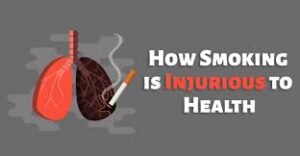
Smoking remains one of the most preventable yet deadly health habits in the modern world. Despite decades of medical research and public awareness campaigns, tobacco use continues to harm millions of people every year. The danger of smoking goes far beyond addiction; it slowly damages vital organs, weakens immunity, and shortens life expectancy.
Many smokers do not feel serious symptoms in the early years, which creates a false sense of safety. However, scientific evidence clearly shows that smoking affects almost every system in the body. This article explores the harmful effects of smoking, smoking health risks, and the long-term effects of smoking in a clear, evidence-based, and easy-to-understand manner.
What Makes Smoking So Dangerous?
Cigarette smoke is a toxic mixture of more than 7,000 chemicals, including nicotine, tar, carbon monoxide, heavy metals, and radioactive compounds. Over 70 of these substances are proven carcinogens.
Nicotine creates addiction by altering brain chemistry. It stimulates short-term pleasure while gradually increasing dependency. Meanwhile, other chemicals silently damage cells, blood vessels, and organs. This combination of addiction and toxicity is what makes smoking uniquely harmful.
Harmful Effects of Smoking on the Respiratory System
Smoking and Lung Disease
The lungs are the first and most severely affected organs. Smoking destroys lung tissue, inflames airways, and paralyzes the cilia that normally clean the lungs.
Major lung conditions caused by smoking include:
- Chronic bronchitis
- Emphysema
- Chronic obstructive pulmonary disease (COPD)
- Recurrent chest infections
- Permanent shortness of breath
Smoking and lung disease are strongly connected, and most cases of COPD worldwide are directly caused by tobacco use.
https://my.clevelandclinic.org/health/articles/17488-smoking
Smoking Causes Cancer
Cancer is one of the most devastating consequences of smoking. Tobacco smoke damages DNA, leading to uncontrolled cell growth.
Cancers linked to smoking include:
- Lung cancer
- Mouth and throat cancer
- Esophageal cancer
- Bladder cancer
- Pancreatic cancer
- Liver and colorectal cancer
- Cervical and kidney cancer
Smoking causes cancer not only in smokers but also in people exposed to second-hand smoke. The long-term effects of smoking significantly increase cancer risk with both duration and intensity of exposure.
Smoking and Heart Disease
Smoking directly damages the cardiovascular system. It narrows arteries, increases blood pressure, and reduces oxygen supply to the heart.understand thismarticle
Smoking health risks related to the heart include:
- Coronary artery disease
- Heart attack
- Stroke
- Peripheral vascular disease
- Coronary artery disease
- Smoking and heart disease are closely linked, and smokers are several times more likely to die from cardiovascular events than non-smokers.
Smoking Weakens Immunity
One of the most underestimated dangers of smoking is immune suppression. Smoking reduces white blood cell function and depletes antioxidants.
When smoking weakens immunity:
- Infections become more frequent
- Illness lasts longer
- Recovery from injuries slows
- Vaccine response weakens
This is why smokers often suffer from repeated respiratory and systemic infections.
Long-Term Effects of Smoking on Overall Health:
The damage from smoking accumulates over time and may become irreversible.
Long-term effects of smoking include:
Effects of Smoking on Mental and Brain Health
Long-Term Effects of Smoking on Overall Health
Smoking does not cause damage overnight. Instead, it slowly and silently harms the body over years, often without clear warning signs in the early stages. The long-term effects of smoking on overall health are severe, wide-ranging, and in many cases irreversible. Almost every organ system in the body is affected, which is why smoking is considered one of the most dangerous lifestyle habits worldwide.
Progressive Damage to the Lungs
One of the most serious long-term effects of smoking is permanent lung damage. Continuous exposure to toxic smoke inflames airways, destroys lung tissue, and reduces oxygen exchange.
Over time, smokers may develop:
- Chronic shortness of breath
- Persistent cough with mucus
- Reduced lung capacity
- Chronic obstructive pulmonary disease (COPD)
- Increased risk of lung infections
Even after quitting, some lung damage may remain, showing how deeply smoking impacts respiratory health.
Increased Risk of Heart and Blood Vessel Diseases
Smoking causes long-term harm to the cardiovascular system by narrowing blood vessels and damaging artery walls. This leads to poor blood circulation and increased strain on the heart.
Long-term cardiovascular effects include:
- Coronary artery disease
- Heart attacks
- Strokes
- High blood pressure
- Peripheral artery disease
Smokers are significantly more likely to die from heart disease compared to non-smokers, even if they smoke fewer cigarettes daily.
Cancer Risk Rises over Time
Cancer risk increases with the duration and intensity of smoking. The longer a person smokes, the greater the DNA damage caused by carcinogenic chemicals.
Long-term smokers face higher risks of:
- Lung cancer
- Throat and mouth cancer
- Bladder and kidney cancer
- Pancreatic cancer
- Colorectal cancer
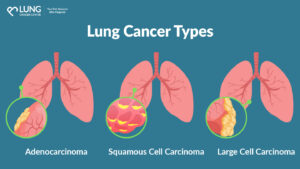
This clearly highlights the danger of smoking, as cancer may develop even decades after smoking begins.
Weakened Immune System
Smoking weakens the immune system over time, making the body less capable of fighting infections and diseases.
Long-term immune effects include:
- Frequent colds and respiratory infections
- Slower wound healing
- Higher risk of severe infections
- Poor response to vaccines
When smoking weakens immunity, the body becomes vulnerable not only to infections but also to chronic inflammatory conditions.
Accelerated Aging and Physical Decline:
Smoking speeds up the aging process both internally and externally. Reduced oxygen supply and collagen breakdown affect skin, muscles, and organs.
Visible and physical long-term effects include:
- Premature wrinkles and sagging skin
- Yellowed teeth and gum disease
- Brittle bones and osteoporosis
- Chronic fatigue and weakness
Smokers often appear older than their actual age due to prolonged exposure to toxins.
Impact on Brain and Mental Health
Long-term smoking alters brain chemistry. While nicotine creates short-term pleasure, it worsens mental health over time.
Chronic smokers may experience:
- Increased anxiety and stress
- Depression and mood instability
- Memory and concentration problems
- Higher risk of cognitive decline
Research shows smoking does not relieve stress in the long run; instead, it increases emotional dependency and psychological strain.
Digestive and Metabolic Problems
Smoking affects digestion and metabolism, leading to long-term gastrointestinal issues.
These include:
- Acid reflux and ulcers
- Increased risk of stomach cancer
- Poor nutrient absorption
- Higher risk of type 2 diabetes
Smokers often suffer from low energy levels due to inefficient nutrient utilization.
understand the metabollisam
Reduced Quality of Life and Life Expectancy
One of the most concerning l ong-term effects of smoking on overall health is reduced quality of life. Daily activities become difficult due to breathlessness, fatigue, and chronic illness.
Studies show that:
- Smokers live 8–10 years less on average
- Chronic illness limits mobility and independence
- Medical costs and hospital visits increase significantly
Smoking not only shortens life but also reduces the ability to live it fully.
Can Long-Term Damage Be Reversed?
While some damage may be permanent, quitting smoking at any stage improves health outcomes.
After quitting:
- Heart disease risk decreases over time
- Lung function gradually improves
- Immune system strengthens
- Cancer risk slowly reduces
The earlier a person quits, the greater the recovery potential.
Conclusion:
The long-term effects of smoking on overall health extend far beyond the lungs. Smoking damages the heart, weakens immunity, accelerates aging, increases cancer risk, and reduces life expectancy. These effects develop gradually, making smoking especially dangerous because the harm often becomes visible only when it is advanced.
Quitting smoking is one of the most powerful decisions a person can make to protect long-term health, restore body function, and improve overall well-being. Nicotine affects neurotransmitters in the brain, leading to addiction and mood instability.
Smoking is associated with:
- Increased anxiety and irritability
- Sleep disturbances
- Poor concentration
- Higher risk of depression
Although smokers believe cigarettes relieve stress, research shows smoking actually increases long-term psychological stress.
Second-Hand Smoke: Hidden Danger
Second-hand smoke contains the same toxic chemicals inhaled by smokers. Non-smokers exposed to smoke face serious health risks.
Second-hand smoke can cause:
- Asthma and lung infections in children
- Heart disease in adults
- Lung cancer in non-smokers
- Sudden infant death syndrome (SIDS)
This proves the danger of smoking extends beyond personal choice to public health. Smoking During Pregnancy and Its Impact on Babies Smoking during pregnancy interferes with oxygen and nutrient supply to the fetus.
Risks include:
- Miscarriage and stillbirth
- Premature birth
- Low birth weight
- Weak lung development
- Long-term growth and learning problems
Children exposed to smoke after birth have higher risks of asthma, infections, and developmental issues.
Benefits of Quitting Smoking
Quitting smoking leads to rapid and long-term recovery.
After quitting:
- Heart rate and blood pressure normalize
- Lung function improves gradually
- Immune system strengthens
- Cancer and heart disease risk decreases
- Life expectancy increases
The body has an incredible ability to heal once smoking stops.
Healthy Lifestyle Changes That Support Quitting
- Regular exercise to reduce cravings
- Balanced diet rich in fruits and vegetables
- Adequate hydration to remove toxins
- Stress control through meditation or yoga
- Emotional and social support
Replacing smoking with healthy habits increases success and prevents relapse.
Frequently Asked Questions (FAQs)
Is light smoking still dangerous?
Yes, even a few cigarettes damage blood vessels and lungs.
Can quitting smoking reverse damage?
Many effects improve, especially heart and lung function.
Does smoking affect non-smokers seriously?
Yes, second-hand smoke causes major health problems.
Why is nicotine so addictive?
It alters brain chemistry and creates dependency.
Conclusion
Smoking is a leading cause of preventable disease worldwide. The harmful effects of smoking, including cancer, heart disease, lung damage, and weakened immunity, make it one of the most serious threats to human health. Understanding the smoking health risks and long-term effects of smoking empowers individuals to make informed decisions. Quitting smoking is not just about avoiding disease — it is about reclaiming health, energy, and quality of life.