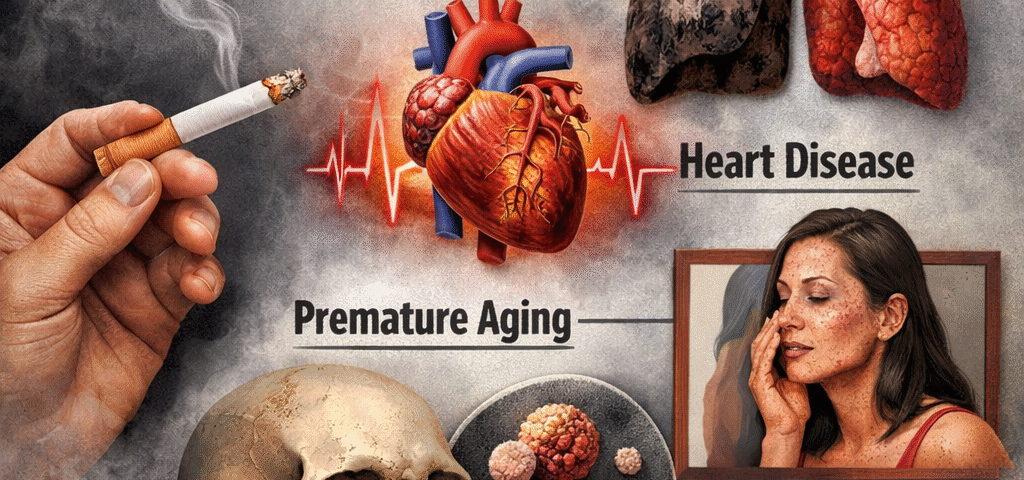
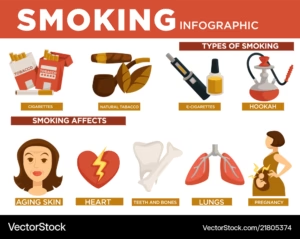
Smoking is one of the most harmful habits worldwide, affecting millions of lives every year. From damaging your body to impacting your finances and relationships, the consequences are widespread. Understanding the effects of smoking is the first step to making informed decisions about your health. This article explores the dangers of smoking in detail, helping you realize how it affects your health, money, life, and even your loved ones.
How Smoking Impacts Your Body
Cancer Risk
Smoking is the leading cause of many cancers, including lung, throat, mouth, pancreas, and bladder cancer. Chemicals in tobacco smoke damage DNA, increasing the likelihood of uncontrolled cell growth. Even quitting smoking can reduce cancer risk over time, but previous smokers remain at higher risk than those who never damage of smokimg
Central Nervous System
Nicotine in cigarettes reaches the brain within seconds, creating a temporary boost in alertness. However, prolonged exposure leads to addiction, anxiety, and depression. Nicotine alters brain chemistry, making quitting difficult and affecting mental health.so, we should that we will always health money and life.
Cardiovascular System

Smoking tightens blood vessels, raises blood pressure, and increases the risk of blood clots. These effects elevate the chances of heart attacks, strokes, and peripheral artery disease. Even smoking a few cigarettes daily significantly increases cardiovascular risks.
Respiratory System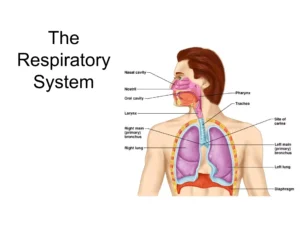 Tobacco smoke damages the lungs, airways, and alveoli. Smokers experience chronic cough, breathlessness, emphysema, and chronic obstructive pulmonary disease (COPD). Exposure to second hand smoke can also harm non-smokers, including children.
Hair, Skin, and Nails

Smoking accelerates aging, leading to wrinkles, dry skin, and delayed wound healing. It causes hair thinning, hair loss, and increases the risk of nail infections. Chemicals in smoke reduce blood flow, damaging skin and hair health.
Digestive System
Smoking increases the risk of digestive cancers, ulcers, and acid reflux. It also disrupts insulin function, raising the risk of type 2 diabetes and its complications, including heart and kidney problems.
Sexual Health
In men, smoking reduces sperm quality and can lead to impotence. In women, it decreases fertility, causes menstrual irregularities, and increases the risk of early menopause, stroke, and heart problems, especially for women over 35 taking oral contraceptives.
Effects on Babies
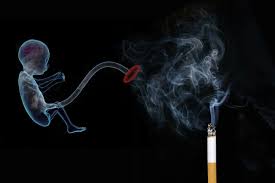
Maternal smoking can cause premature birth, low birth weight, cleft lip, and underdeveloped lungs. Children exposed to second hand smoke have higher risks of asthma, respiratory infections, and sudden infant death syndrome (SIDS).
How Smoking Impacts Your Mind
Smoking affects mental health by increasing stress, anxiety, and depression. Nicotine addiction alters brain chemistry, making the smoker feel dependent on cigarettes for emotional relief. Over time, it reduces cognitive function and memory.
How Smoking Impacts Your Finances
Smoking is an expensive habit. The cost of cigarettes adds up, and medical expenses for smoking-related illnesses increase over time. By quitting, smokers can save thousands of dollars each year and reduce financial stress.
How Smoking Impacts Your Looks
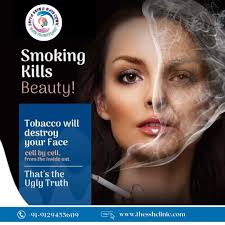
Smoking accelerates aging and reduces physical attractiveness. Wrinkles, yellow teeth, bad breath, hair loss, and dull skin are common signs. Quitting smoking gradually restores natural skin tone and improves overall appearance.
https://www.health.gov.au/topics/smoking-vaping-and-tobacco/about-smoking/effects?language=en
How Smoking Impacts Your Loved Ones
Second hand smoke exposes family and friends to dangerous chemicals. Children living with smokers have higher risks of respiratory infections, asthma, and sudden infant death syndrome. Partners and household members are also at increased risk of heart disease and cancer.
Health Effects Summary
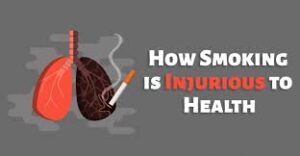
Smoking harms nearly every organ in the body, increasing the risk of cancers, heart disease, lung disease, diabetes, and more. Quitting smoking provides immediate and long-term benefits, including improved lung function, reduced cancer risk, better mental health, and financial savings.
Reducing the Effects of Smoking
- Seek support from your doctor, pharmacist, or smoking cessation programs.
- Use nicotine replacement therapies (patches, gums, lozenges).
- Engage in regular exercise and healthy eating to improve recovery.
- Avoid triggers and environments that encourage smoking.
- Educate yourself on the dangers of smoking to stay motivated.
Takeaway
Smoking impacts your health, appearance, finances, and loved ones. Understanding the danger of smoking is critical for making informed choices. Quitting is the best step you can take to protect yourself, save money, and improve quality of life.
Keywords:
Danger of smoking, effects of smoking, health, money, life
What is the danger of smoking?
Smoking exposes your body to over 7,000 chemicals, including nicotine, tar, and carbon monoxide, which damage nearly every organ. It increases the risk of cancers, heart disease, stroke, respiratory illnesses, and reduces overall life expectancy.
How does smoking affect your health?
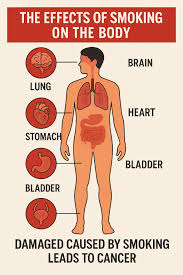
Smoking affects almost every body system. It can cause lung diseases like COPD, cardiovascular issues like high blood pressure and heart attacks, digestive problems, reproductive health issues, weakened immunity, and premature aging of the skin, hair, and nails.
3. Can smoking affect your appearance?
Yes, smoking accelerates skin aging, cause’s wrinkles, yellow teeth, stained nails, hair loss, and dull skin. These changes are due to reduced oxygen flow, toxins in smoke, and decreased production of collagen.
4. How does smoking affect children?
Children exposed to second-hand smoke have higher risks of asthma, bronchitis, pneumonia, ear infections, low birth weight (if exposed in the womb), and sudden infant death syndrome (SIDS).
5. How does smoking impact finances?
Smoking is an expensive habit. The cost of buying cigarettes adds up over time, and smoking-related illnesses can lead to medical expenses, lost workdays, and reduced productivity, affecting your financial stability.
6. How addictive is smoking?
Nicotine is highly addictive. It stimulates the brain’s reward system, making quitting difficult. Withdrawal symptoms include irritability, cravings, anxiety, and difficulty concentrating.
7. Can quitting smoking reverse the damage?
Yes, quitting smoking can significantly improve health. Lung function begins to recover within weeks, cardiovascular risks decrease over years, and the risk of most cancers reduces over 10–20 years. Skin and appearance also improve gradually.
8. How does smoking affect the body in the long term?
Long-term effects include chronic diseases like lung cancer, emphysema, heart disease, stroke, type 2 diabetes, and weakened immune function. It also accelerates aging and can reduce life expectancy by 10 years or more.
9. Are there ways to reduce the effects of smoking without quitting?
While reducing exposure helps, the only effective way to prevent long-term damage is to quit completely. Using nicotine replacement therapies, medications, counselling, and lifestyle changes can support quitting.
10. Where can I get help to quit smoking?
You can seek help from:
- Your doctor or healthcare provider
- Pharmacists for nicotine replacement therapy
- Quit line services (e.g., 13 QUIT in Australia)
- Online support groups and apps for smoking cessation
Related articles
Damage of smoking
Effects of smoking
Smoking outdoors an indoors
Health money and life
FAQs: Effect of Smoking
1. What is the effect of smoking on overall health?
The effect of smoking on overall health is very harmful. It damages the lungs, heart, blood vessels, and weakens the immune system over time.
2. How does smoking affect the lungs?
Smoking damages lung tissues and reduces oxygen flow. The effect of smoking on lungs includes chronic cough, asthma, and diseases like COPD and lung cancer.
3. What is the effect of smoking on the heart?
The effect of smoking on the heart includes high blood pressure, blocked arteries, and a higher risk of heart attack and stroke.
4. Does smoking affect mental health?
Yes, the effect of smoking on mental health includes increased stress, anxiety, and addiction. It may give temporary relief but worsens mental health long term.
5. What is the effect of smoking on passive smokers?
Passive smoking is also dangerous. The effect of smoking on others includes breathing problems, heart disease, and higher cancer risk, especially in children.
6. Can smoking affect digestion and appetite?
Yes, the effect of smoking on digestion includes acid reflux, stomach ulcers, poor appetite, and slow metabolism.
7. What is the effect of smoking on skin and appearance?
Smoking causes early aging. The effect of smoking on skin includes wrinkles, dull skin, dark lips, and yellow teeth.
8. Is smoking harmful during pregnancy?
Yes, the effect of smoking during pregnancy can cause low birth weight, premature birth, and health problems for the baby.
9. Can the effects of smoking be reversed?
Some effects can improve after quitting. Lung function, heart health, and energy levels start recovering within weeks to months after stopping smoking.
10. Why should we quit smoking?
We should quit smoking to protect our health, improve breathing, reduce disease risk, and live a longer, healthier life.