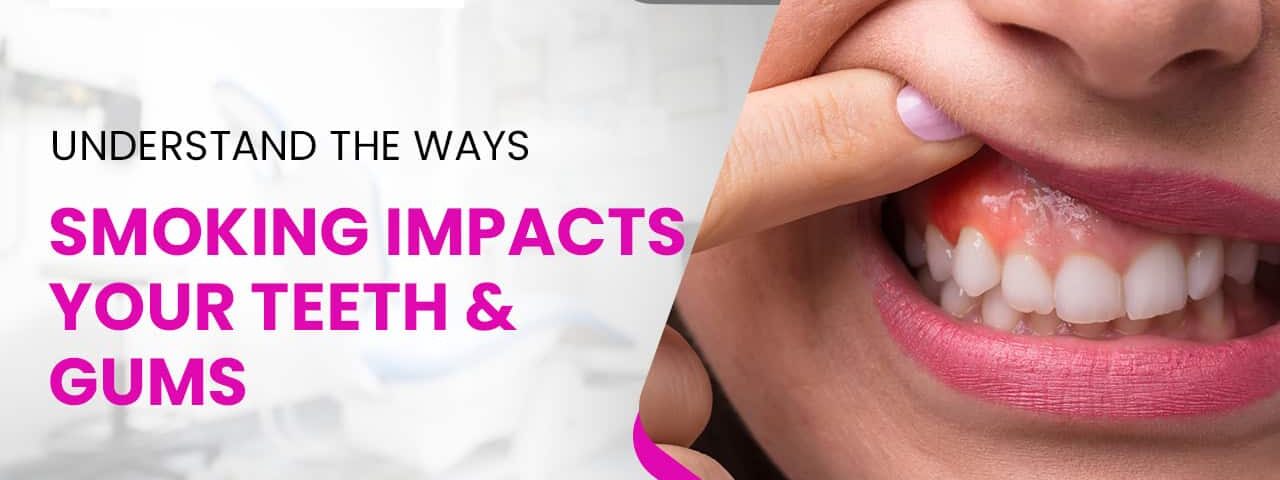
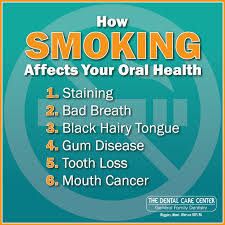
Smoking and Its Effects on Oral Health, Bone, and Gums
smoking is one of the leading causes of oral health problems worldwide. It affects not only the teeth but also the gums and the bone around teeth. The harmful chemicals present in cigarettes reduce blood flow, weaken immunity, and slow healing. Over time, this leads to gum disease, bone loss, loose teeth, and even tooth loss.
Effect of Smoking on Oral Health
Smoking and Oral Health: The Damaging Effect
Smoking reduces saliva production, which allows bacteria to grow freely inside the mouth. This causes plaque buildup, cavities, gum inflammation, and infections. Smokers often experience long-term oral damage because their mouth cannot fight bacteria effectively.
Smoking and Gum Disease (Periodontitis)
Smoking is strongly linked to gum disease, also known as periodontitis. It damages gum tissue, reduces oxygen supply, and hides early warning signs like bleeding gums. Because of this, gum disease progresses silently in smokers.
Tobacco-Stained Teeth
Nicotine and tar stick to the enamel and cause yellow or brown stains. These stains are difficult to remove with regular brushing and affect confidence and appearance.
Persistent Bad Breath (Halitosis)
Smoking causes dry mouth and bacterial growth, which leads to chronic bad breath. Mouthwash only masks the smell temporarily. Quitting smoking is the only long-term solution.
Delayed Healing After Dental Procedures
Smoking slows down healing after tooth extraction, gum surgery, or dental implants. It increases infection risk and treatment failure.
Delayed Healing After Dental Procedures
Cigarette Effect on Teeth: Complications
Increased Risk of Oral Infection
Smokers are more likely to develop infections because smoking weakens the immune response.
Tooth Loss and Bone Deterioration
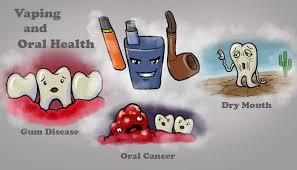
The effect of smoking on bone around teeth is severe. Smoking reduces bone density and stops new bone formation. As bone support weakens, teeth become loose and may fall out.
Effect of Smoking on Bone Around Teeth
Smoking and Mouth Cancer Risk
Long-term smoking increases the risk of oral cancer, especially of the tongue, lips, cheeks, and gums.
Common Symptoms Smokers Should Watch For
Smokers should never ignore these signs:
- Bleeding gums
- Swollen or red gums
- Gum recession
- Loose teeth
- Constant bad breath
- White or red mouth patches
Treatment Options for Smoking-Related Dental Problems
Treatment depends on severity and may include:
- Professional cleaning
- Deep scaling and root planing
- Antibiotics
- Gum surgery
- Tooth replacement
Preventive & Daily Care Tips for Smokers
Oral Hygiene Practices
- Brush twice daily
- Floss regularly
- Use antibacterial mouthwash
Diet and Hydration
- Drink more water
- Eat fruits and vegetables
- Reduce sugar intake
Don’t Miss Dental Checkups
Early detection prevents severe damage.
Practical Tips to Quit Smoking
Quitting smoking improves gum health, bone strength, and healing ability. Start by reducing cigarettes, managing stress, and seeking support.
Why Regular Dental Visits Matter
Dentists can detect gum disease, bone loss, and oral cancer at an early stage. Regular visits greatly reduce long-term damage.
Abstract
Introduction: Smoking negatively affects oral tissues.
Objective: To explain smoking’s impact on gums, teeth, and bone.
Methods: Review of clinical studies.
Results: Smoking increases gum disease, bone loss, tooth loss, and infection risk.
Conclusion: Quitting smoking and regular dental care are essential.
What Is Gum Disease?
Gum disease is an infection of tissues supporting teeth. If untreated, it leads to bone destruction and tooth loss.
Warning Signs and Symptoms of Gum Disease
- Bleeding gums
- Bad breath
- Receding gums
- Loose teeth
How Is Smoking Related to Gum Disease?
Smoking reduces blood supply and immune defense, allowing bacteria to destroy gums and bone faster.
How Can Gum Disease Be Prevented?
- Quit smoking
- Maintain oral hygiene
- Eat a balanced diet
- Visit the dentist regularly
How Is Gum Disease Treated?
- Professional cleaning
- Medications
- Surgery in advanced cases
- Smoking cessation
Smoking and Its Effects on Oral Health, Bone, and Gums
smoking quietly damages oral health over time. Many smokers notice stains or bad breath first, but the real harm happens beneath the surface. Cigarettes reduce blood flow, weaken the immune response, and slow natural healing. As a result, gums become vulnerable, bone around teeth starts to weaken, and long-term smokers often face tooth loss.
For a broader overview, read our detailed guide on
Effect of Smoking on Oral Health
Smoking and Oral Health: The Damaging Effect
The mouth depends on saliva and healthy blood circulation to stay clean and infection-free. Smoking interferes with both. Less saliva means bacteria grow faster, plaque hardens quickly, and gums inflame easily.
Smokers also respond poorly to dental treatment because their tissues heal slowly. Even routine dental care may take longer to show results.
Smoking and Gum Disease (Periodontitis)
Gum disease is one of the most common problems seen in smokers. Smoking reduces oxygen supply to gum tissue, which allows harmful bacteria to destroy the supporting structures of teeth without causing early pain or bleeding.
This is why gum disease in smokers is often diagnosed late, when damage is already severe.
Tobacco-Stained Teeth
Nicotine and tar attach firmly to tooth enamel. Over time, teeth turn yellow or brown and become difficult to clean with normal brushing. These stains are not only cosmetic; they are a visible sign of deeper oral damage.
Persistent Bad Breath (Halitosis)
Bad breath in smokers is usually chronic. Smoking dries the mouth and allows odor-producing bacteria to multiply. Mouth sprays may hide the smell briefly, but the root cause remains unless smoking is stopped.
:Delayed Healing After Dental Procedures
After tooth extraction, gum surgery, or dental implants, smokers heal more slowly. Smoking reduces blood supply and increases the risk of infection, often leading to treatment failure.
Delayed Healing After Dental Procedures
Cigarette Effect on Teeth: Major Complications
Increased Risk of Oral Infection
Smoking weakens the body’s defense system. This makes smokers more prone to gum infections, abscesses, and painful mouth so
Tooth Loss and Bone Deterioration
The effect of smoking on bone around teeth is one of the most serious outcomes. Smoking slows bone formation and accelerates bone breakdown. As bone support reduces, teeth loosen and may eventually fall out.
Effect of Smoking on Bone Around Teeth
Smoking and Mouth Cancer Risk
Long-term smoking significantly increases the risk of oral cancer. Early signs often go unnoticed, which is why regular dental screening is essential.
Common Symptoms Smokers Should Not Ignore
Smokers are more likely to develop dental problems that show early warning signs, such as:
- Bleeding or swollen gums
- Gum recession
- Loose teeth
- Constant bad breath
- White or red patches in the mouth
- Treatment Options for Smoking-Related Dental Problems
Treatment depends on the severity of damage and may include:
- Professional dental cleaning
- Deep scaling and root planing
- Medications or antibiotics
- Gum surgery in advanced cases
Quitting smoking greatly improves treatment success.
Treatment Options for Smoking-Related Dental Problems
Preventive and Daily Care Tips for Smokers
Oral Hygiene Practices
Brush twice daily, floss regularly, and use antibacterial mouthwash.
Diet and Hydration
Drink plenty of water and eat nutrient-rich foods that support gum health.
Don’t Miss Dental Checkups
Regular visits help detect gum disease and bone loss earlyrs
Practical Tips to Quit Smoking
Quitting smoking is the most effective way to protect teeth, gums, and bone. Start gradually, manage stress, and seek support when needed.
Why Regular Dental Visits Matter
Dentists can detect hidden gum disease, early bone loss, and oral cancer before serious damage occurs. For smokers, regular dental visits are not optional—they are essential.
Importance of Regular Dental Visits
Abstract
Introduction: Smoking negatively affects oral tissues.
Objective: To evaluate its impact on gums, teeth, and bone.
Methods: Review of dental and clinical findings.
Results: Smoking increases gum disease, bone loss, infections, and tooth loss.
Conclusion: Smoking cessation and routine dental care are key to oral health.
What Is Gum Disease?
Gum disease is an infection of the tissues that support teeth. If untreated, it progresses from mild inflammation to severe bone destruction.
How Is Smoking Related to Gum Disease?
Smoking reduces blood supply and immune response, allowing bacteria to destroy gums and bone faster than in non-smokers.
How Can Gum Disease Be Prevented and Treated?
- Quit smoking
- Maintain daily oral hygiene
- Eat a balanced diet
- Get professional dental care