Smoking and Gum Disease (Periodontitis)
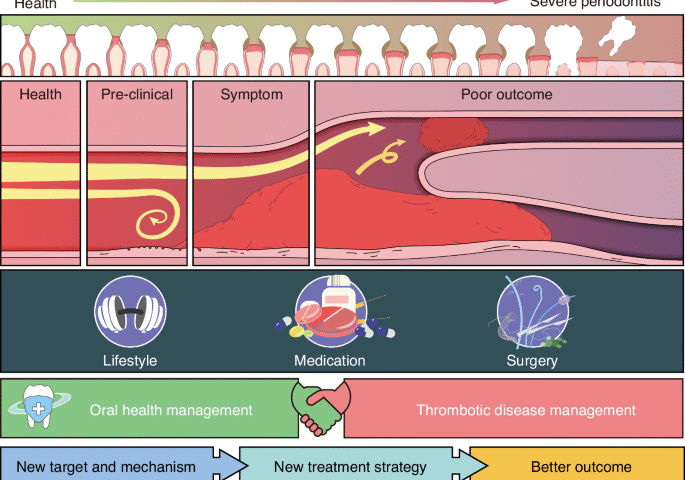
Smoking is a major risk factor for gum disease. Chemicals in tobacco damage the gums, reduce blood flow, and weaken the immune system. This accelerates periodontitis, the most severe form of gum disease, causing pain, infection, and even tooth loss.
The effect of smoking on gum health is often silent because smoking hides early warning signs like bleeding gums. Understanding the link between smoking and periodontitis is crucial for prevention and treatment. Learn more about overall tissue damage in
Smoking and ItsEffect on Periodontium]
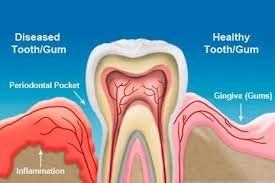
“Healthy gums vs gums affected by smoking”
What is Gum Disease (Periodontitis)?
Gum disease is an infection of the gums and supporting structures around teeth. There are two main types:
-
Gingivitis: Mild inflammation of gums
-
Periodontitis: Severe infection damaging gums and bone
In smokers, gingivitis often progresses quickly to periodontitis due to reduced immune response.
Internal Link (Oral Health Article): See details in
Effect of Smoking on Oral Health
Smoking affects gums in multiple ways:
How Smoking Causes Gum Disease
Reduced Blood Flow: Nicotine constricts blood vessels, decreasing oxygen and nutrients to gums.
Weakened Immunity: Smokers’ immune response is reduced, making it easier for bacteria to cause infection.
Plaque and Tartar Build-up: Tobacco promotes bacterial growth.
Delayed Healing: Gum tissues repair slower in smokers.
Symptoms of Smoking-Related Gum Disease
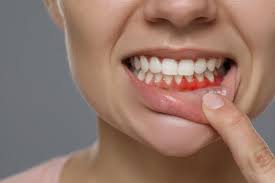
Red, swollen, or tender gums
Gum recession (teeth look longer)
Bleeding gums during brushing or flossing
Persistent bad breath
Loose teeth in advanced cases
Bone loss often follows gum disease, see
[Effect of Smoking on Bone Around Teeth]
Smoking causing gum disease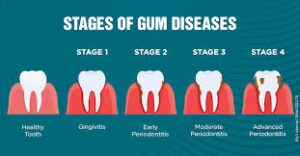
Complications of Gum Disease in Smokers
Tooth Mobility and Loss: Supporting bone deteriorates
Increased Risk of Oral Infection: Reduced healing allows infections to persist
Impact on Dental Procedures: Slower recovery after surgeries or implants
For overall tissue damage, read
[Smoking and Its Effect on Periodontium]
Treatment Options for Smokers with Gum Disease
-
Professional Cleaning: Scaling and root planing
-
Antibiotic Therapy: Treat bacterial infection
-
Surgical Treatment: Gum surgery to remove diseased tissue
-
Bone Grafting / Regeneration: For severe bone loss
Quitting smoking improves treatment outcomes and prevents recurrence.
Learn more about healing delays in
Smoking and Delayed Healing After Dental Procedure
Preventive Measures
-
Quit Smoking: Best way to protect gums
-
Oral Hygiene: Brush twice daily, floss, use mouthwash
-
Regular Dental Visits: Early detection prevents severe damage
-
Healthy Diet: Calcium and vitamins for gum strength : For overall oral care tips, see
Effect of Smoking on Oral Health
Practical Tips to Quit Smoking for Gum Health
-
Set a quit date and track progress
-
Avoid smoking triggers
-
Seek professional counseling
-
Use nicotine replacement therapy if needed
Quitting smoking reduces gum disease progression and improves overall oral health.
Conclusion
Smoking accelerates gum disease, leading to periodontitis, bone loss, and tooth loss. Early detection, preventive care, quitting smoking, and proper treatment are key to maintaining healthy gums.
Internal Links Summary:
FAQ Section
Smoking and Gum Disease (Periodontitis)
Q1: How does smoking cause gum disease?
A1: Smoking reduces blood flow to the gums, weakens the immune system, and allows bacteria to grow. This leads to inflammation, gum infection, and periodontitis.
Q2: Can quitting smoking improve gum health?
A2: Yes, quitting smoking improves blood circulation in gums, helps the immune system fight infection, and slows down gum disease progression.
Q3: What are the early signs of gum disease in smokers?
A3: Early signs include red or swollen gums, bleeding while brushing or flossing, bad breath, and receding gums. Smokers may not notice bleeding because nicotine can hide it.
Q4: Does smoking affect treatment outcomes for gum disease?
A4: Yes, smokers heal slower and respond less effectively to treatments like scaling, root planing, or gum surgery. Quitting smoking improves recovery.
Q5: How is periodontitis treated in smokers?
A5: Treatments include professional cleaning, scaling and root planing, antibiotics if needed, gum surgery, and quitting smoking. Early treatment prevents tooth and bone loss.
Q6: Can gum disease lead to tooth loss?
A6: Yes, untreated periodontitis can destroy gums and supporting bone, leading to loose teeth or tooth loss, especially in smokers.
Q7: Are smokers more prone to oral infections?
A7: Yes, smoking weakens the immune system and slows healing, making smokers more likely to develop infections in gums and mouth.
Q8: Where can I learn more about smoking and gum health?
A8: You can read our main guide on Smoking and Its Effect on Periodontium [Insert link here] for detailed information about gums, bone, and oral health damage caused by smoking.