
Mental Energy: Boost, Maintain, and Optimize Cognitive Power
Mental energy is the fuel of the brain, essential for focus, decision-making, and emotional regulation. Just like physical energy powers our bodies, mental energy powers our mind. Maintaining high mental energy is crucial for productivity, creativity, and overall well-being.
What is Mental Energy?
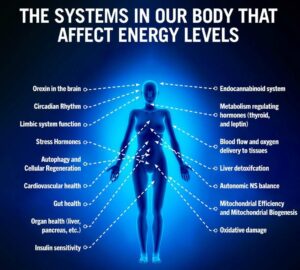
Mental energy is the brain’s ability to perform cognitive tasks efficiently, including problem-solving, memory, attention, and emotional regulation. It is influenced by:
- Nutrition – Brain-healthy foods provide energy and essential nutrients
- Sleep – Adequate rest restores mental stamina
- Exercise – Physical activity increases blood flow to the brain
- Stress management – Prevents depletion of cognitive resources
Without proper mental energy, even simple tasks can feel draining, and productivity may drop.
Boosting Brain Performance Naturally
Factors Affecting Mental Energy
Sleep and Rest
Sleep is critical for cognitive energy. During sleep, the brain removes toxins, consolidates memories, and restores neurotransmitters. Poor sleep leads to:
- Reduced focus
- Memory lapses
- Mood swings
- Mental fatigue
Tip: Aim for 7–9 hours of quality sleep daily.

Nutrition and Hydration
The brain uses glucose as its main energy source. Eating a balanced diet rich in fruits, vegetables, whole grains, and omega-3 fatty acids supports mental energy. Staying hydrated is equally important as even mild dehydration reduces focus and alertness.
Foods that enhance mental energy:
- Fatty fish (salmon, sardines)
- Leafy greens (spinach, kale)
- Nuts and seeds (walnuts, almonds)
- Berries (blueberries, strawberries)
Physical Activity
Exercise increases blood flow, delivering oxygen and nutrients to the brain, releasing endorphins and dopamine, which enhance alertness and mood. Both moderate and vigorous activity improve mental energy over time.
Physical Activity Guidelines – WHO

Stress Management
Chronic stress drains mental energy by overactivating cortisol production. Over time, this leads to reduced focus, memory, and decision-making ability. Stress-reduction techniques like yoga, meditation, and mindfulness restore mental energy.
Mindfulness Practices for Mental Energy
Mental Stimulation
The brain is like a muscle – it thrives on challenge and stimulation. Engaging in activities like:
- Reading
- Puzzles
- Learning new skills
- Brain-training games
…can enhance mental energy and improve cognitive reserve.
Cognitive Exercises for Brain Health
Signs of Low Mental Energy
- Difficulty concentrating
- Forgetfulness
- Feeling mentally drained
- Irritability
- Reduced productivity
Recognizing these signs early allows for corrective measures before burnout occurs.
How to Recognize Mental Fatigue
Ways to Boost Mental Energy
- Maintain a consistent sleep schedule
- Eat balanced meals with brain-friendly nutrients
- Exercise regularly, including strength training and cardio
- Stay hydrated
- Practice stress management techniques
- Challenge your brain with learning and problem-solving activities
Daily Habits for Peak Mental Energy
Mental Energy and Work Performance
High mental energy directly impacts productivity, creativity, and efficiency. Employees and students who maintain good mental energy levels report:
- Faster decision-making
- Better problem-solving
- Improved focus
- Lower stress levels
Organizations can promote mental energy by encouraging breaks, exercise, and healthy eating at work.
Importance of Cognitive Energy in Workplace
Related Articles for Link Building
- The Science of Sleep and Mental Energy
- Brain Foods: Nutrition for Cognitive Performance
- Physical Activity and Cognitive Function
- Stress Management Techniques to Restore Mental Energy
Conclusion
mental energy is essential for daily functioning, productivity, and overall well-being. It depends on sleep, nutrition, exercise, stress management, and mental stimulation. By understanding and actively improving mental energy, individuals can achieve higher focus, better decision-making, and improved emotional regulation.
Maintaining mental energy is not just a lifestyle choice – it is a critical component of a healthy and successful life.
Mental Energy: Boost, Maintain, and Optimize Cognitive Power
1. What is mental energy?
Mental energy refers to the brain’s ability to focus, think clearly, solve problems, and stay emotionally balanced throughout the day. It is influenced by sleep, nutrition, stress levels, and physical health.
2. What causes low mental energy?
Low mental energy can be caused by poor sleep, stress, dehydration, nutrient deficiencies, lack of exercise, and excessive screen time. Hormonal imbalances and chronic illnesses may also contribute.
3. How can we boost mental energy naturally?
We can boost mental energy naturally by:
-
Eating nutrient-rich foods
-
Staying hydrated
-
Getting 7–8 hours of quality sleep
-
Exercising regularly
-
Practicing mindfulness and stress management
4. Which foods improve mental energy?
Foods rich in omega-3 fatty acids, B vitamins, antioxidants, and protein support cognitive function. Examples include:
-
Fatty fish
-
Nuts and seeds
-
Leafy greens
-
Whole grains
-
Eggs
5. Does physical activity improve mental energy?
Yes, regular physical activity increases blood flow to the brain and improves oxygen supply. This enhances concentration, memory, and overall cognitive performance.
6. How does sleep affect cognitive power?
Sleep restores brain function and clears toxins that build up during the day. Poor sleep reduces focus, reaction time, and emotional control.
7. Can stress reduce mental energy?
Yes. Chronic stress increases cortisol levels, which can drain mental energy, reduce memory performance, and affect emotional stability.
8. Is mental fatigue the same as physical fatigue?
No. Mental fatigue mainly affects concentration, memory, and decision-making, while physical fatigue affects muscle strength and body stamina. However, both are interconnected.
9. How can we maintain mental energy throughout the day?
-
Take short breaks during work
-
Avoid heavy processed meals
-
Stay hydrated
-
Practice deep breathing
-
Maintain consistent sleep routines
10. Can mental energy decline with age?
Mental processing speed may slow slightly with age, but healthy habits like balanced nutrition, exercise, and lifelong learning can help maintain cognitive power.