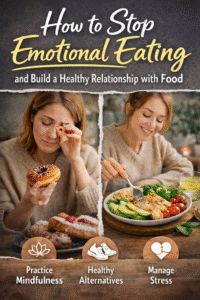
“How to Stop Emotional Eating and Build a Healthy Relationship with Food”
Many people struggle with food not because they are hungry, but because they are stressed, sad, bored, or overwhelmed. Emotional eating is one of the biggest obstacles to building a healthy relationship with food. If we truly want to understand how to stop emotional eating, we must first understand why it happens.
Emotional eating means using food to cope with feelings instead of physical hunger. This habit can slowly damage our physical health and mental well-being. However, the good news is that emotional eating can be controlled with awareness, strategy, and patience.
In this detailed guide, we will learn practical and science-backed ways to stop emotional eating and create balance with food.
What Is Emotional Eating?
Emotional eating happens when we eat in response to feelings instead of hunger.
Common triggers include:
- Stress
- Anxiety
- Sadness
- Loneliness
- Boredom
- Anger
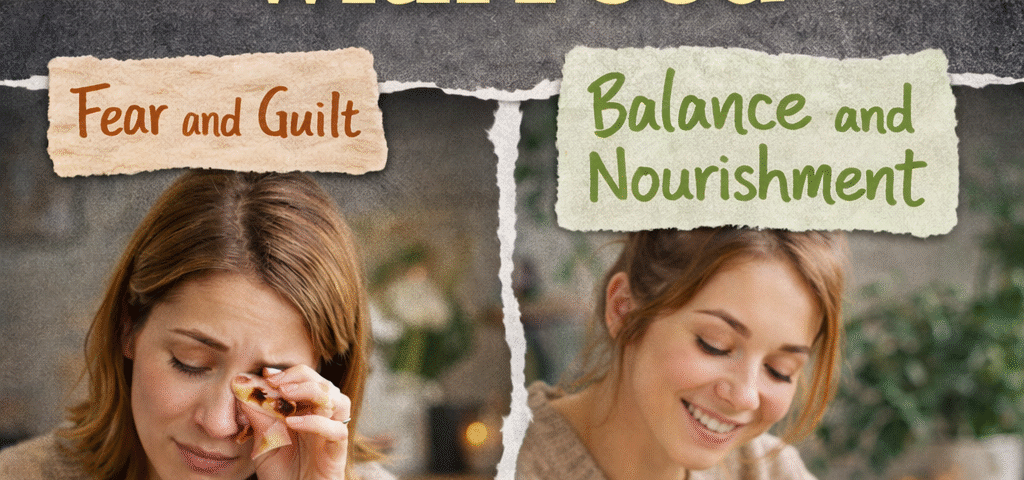
For example, after a stressful day, we may crave chips, sweets, or fast food. That craving is not about hunger. It is about comfort. Emotional Eating vs Mindful Eating
emotional eating vs minful eating
Why Emotional Eating Is Harmful
Understanding how to stop emotional eating becomes easier when we understand its negative impact.
Weight Gain
Emotional eating often involves high-calorie and processed foods. Over time, this can lead to unwanted weight gain.
Guilt and Shame
After emotional eating, many people feel guilty. This creates a cycle:
Stress → Overeating → Guilt → More Stress → More Eating
Poor Digestion
Eating too fast or too much can harm digestion.
Weak Emotional Coping Skills
If food becomes our main coping tool, we never learn healthier emotional strategies.to understandb ths read thi article
easy high-protein meals for muscle gain for health
Signs You Are Eating Emotionally
Here are some common signs:
- Eating when not physically hungry
- Craving specific comfort foods
- Eating quickly
- Feeling regret after eating
- Eating in secret
Recognizing these signs is the first step in learning how to stop emotional eating.
Difference Between Physical Hunger and Emotional Hunger
| Physical Hunger | Emotional Hunger |
| Develops slowly | Comes suddenly |
| Any food satisfies | Craves specific food |
| Stops when full | Hard to stop |
| No guilt after eating | Guilt often follows |
Loving Good Food: A Simple Guide to Eating Mindfully
Practical Steps on How to Stop Emotional Eating

Identify Your Triggers
Keep a food journal. Write:
- What you ate
- When you ate
- How you felt
Patterns will appear. Maybe stress triggers cravings. Maybe boredom leads to snacking. Awareness reduces emotional eating by 50%.
Pause Before Eating
Before eating, ask yourself:
- Am I physically hungry?
- When was my last meal?
- What emotion am I feeling?
Wait 10 minutes. This simple pause can prevent emotional overeatin
Practice Mindful Eating
Mindful eating means:
- Eating slowly
- Chewing properly
- Paying attention to taste
- Avoiding screens
- When we eat mindfully, we connect with hunger and fullness signals.
- Replace Food with Healthier Coping Strategies
-
https://www.helpguide.org/wellness/weight-loss/emotional-eating
Instead of eating, try:
- Walking for 10 minutes
- Calling a friend
- Journaling
- Deep breathing
- Listening to calming music
Food should not be the only emotional comfort tool.
Do Not Skip Meals
Skipping meals increases emotional eating later.
When we skip meals:
- Blood sugar drops
- Cravings increase
- Control decreases
Eat balanced meals with:
- Protein
- Fiber
- Healthy fats
How to Gain Weight In Student Life For Perfect Career :
Avoid Extreme Dieting
Strict diets increase emotional cravings.
When we say “I cannot eat this,” the brain wants it more.
Balanced eating works better than restriction.
Manage Stress Properly
Stress is one of the biggest causes of emotional eating.
Healthy stress management includes:
- Regular exercise
- Proper sleep
- Meditation
- Time management
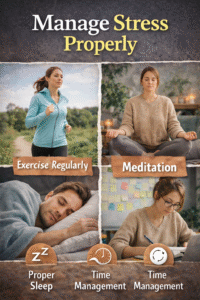
Stress and Its Impact on Eating Habits
How to Build a Healthy Relationship with Food
Learning how to stop emotional eating is not just about stopping a habit. It is about building a healthier mindset.
Stop Labeling Food as “Good” or “Bad”
All foods can fit in moderation.
Eat Without Distraction
No TV, no phone.
Respect Hunger and Fullness
Eat when hungry. Stop when satisfied.
Forgive Yourself
One emotional eating episode does not mean failure.
Long-Term Benefits of Stopping Emotional Eating
When we control emotional eating:
- Weight becomes stable
- Confidence improves
- Digestion becomes better
- Emotional control increases
- Relationship with food improves
Conclusion
Emotional eating is common, but it does not have to control our lives. When we understand our triggers, practice mindful eating, manage stress, and stop skipping meals, we slowly break the cycle.
Learning how to stop emotional eating takes patience, but it is possible. The goal is not perfection. The goal is balance.
When we build awareness, replace food with healthier coping tools, and eat with intention, we create a peaceful and healthy relationship with food. if you want, next I can prepare:
Frequently Asked Questions (FAQs)
What is emotional eating in simple words?
Emotional eating means eating food because of feelings like stress, sadness, boredom, or anxiety instead of physical hunger. It is using food as comfort rather than fuel for the body.
How can I tell if I am emotionally eating?
You may be emotionally eating if:
- You eat suddenly without real hunger
- You crave specific comfort foods
- You feel guilty after eating
- You eat when stressed or bored
Recognizing these signs helps us understand how to stop emotional eating effectively.
What is the 3-3-3 rule for eating?
The “3 3 3 rule” diet is a simple, habit-based framework for weight loss, focusing on three balanced meals, drinking three bottles of water by 3 p.m., and getting three hours of weekly exercise, promoting consistency over strict calorie counting. Another popular version, the 3×3 by 12 PM hack, emphasizes walking 3,000 steps, consuming 30g protein, and drinking one-third of water all before noon for sustained energy.
If it happens regularly, it can affect both physical and mental health.
How do I stop emotional eating immediately?
To stop emotional eating in the moment:
- Pause for 10 minutes
- Drink water
- Take deep breaths
- Ask yourself if you are truly hungry
- Try a short walk