
About Smoking: Dangers, HealthEffects, and How to Quit:
Smoking is one of the most serious global health concerns, affecting millions of people worldwide. We should understand that smoking harms not only the smoker but also those around them. Often, people start smoking due to stress, curiosity, or peer pressure, without realizing its long-term consequences. Beyond addiction, smoking causes serious diseases, reduces life expectancy, and affects overall wellbeing.
In this article, we will explore the dangers of smoking, its effects on physical and mental health, and practical strategies to quit successfully. Understanding these facts can help us make healthier choices and protect our families from second-hand smoke.
What Happens to the Body When You Smoke?
Cigarettes contain more than 7,000 harmful chemicals, including nicotine, tar, and carbon monoxide. When inhaled, these chemicals:
- Damage the lungs, causing chronic coughing, shortness of breath, and lung tissue damage.
- Affect the heart and blood vessels, increasing the risk of heart attacks, strokes, and high blood pressure.
- Interfere with the immune system, making smokers more prone to infections.
- Reduce fertility and increase risks of complications during pregnancy.
Continuous smoking can lead to chronic diseases like lung cancer, heart disease, respiratory infections, and stroke. Even occasional smoking can harm health.
Major Health Risks of Smoking:
Lung Diseases
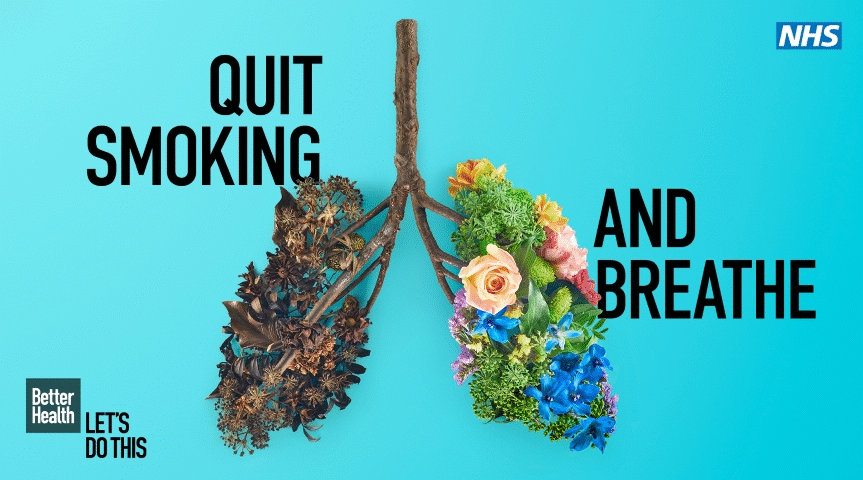
Smoking is the leading cause of lung diseases. It leads to chronic obstructive pulmonary disease (COPD), asthma complications, and lung cancer. Long-term smokers often suffer from shortness of breath and persistent coughing.
Heart Problems:
Nicotine and other chemicals in cigarettes narrow blood vessels, raise blood pressure, and increase cholesterol levels. This puts smokers at higher risk of heart attacks and strokes.
Weak Immune System
Smokers get sick more often because smoking reduces the body’s ability to fight infections. This includes frequent colds, flu, and delayed recovery from illnesses.
Reproductive Health Issues
Smoking lowers fertility in both men and women. Pregnant women who smoke are more likely to experience complications such as preterm birth, low birth weight, and miscarriage.
Mental Health Impact
Nicotine addiction can affect mood, sleep, and increase anxiety levels. While some believe smoking relieves stress, it often worsens mental health over time
Second-Hand Smoke: Risks for Non-Smokers
Second-hand smoke is dangerous for everyone, especially children and pregnant women. Exposure can lead to:
- Respiratory infections and asthma in children
- Low birth weight and developmental issues in babies
- Increased risk of lung cancer and heart disease in adults
Even a few minutes of exposure to second-hand smoke can have harmful effects over time.
-
Reasons People Start Smoking
Understanding why people start smoking helps prevent the habit:
- Peer Pressure: Many teenagers start smoking to fit in socially.
- Stress Relief: Some adults use smoking as a way to manage stress or anxiety.
- Curiosity or Experimentation: Trying cigarettes out of curiosity is common in young adults.
Preventing smoking in early life stages is critical for long-term health.
How to Quit Smoking Successfull
Set a Quit Date
Choose a specific date and commit to stopping completely.Seek Support Family, friends, and support groups can help you stay motivated
Nicotine Replacement Therapy
Patches, gums, or medications can reduce cravings and ease withdrawal symptoms.
Avoid Triggers
Stay away from situations, people, or environments that encourage smoking.
Adopt Healthy Habits
Exercise, meditation, yoga, and hobbies help reduce stress and keep the mind occupied.
Tips to Stay Smoke-Free
- Exercise Regularly: Improves lung function and reduces cravings.
- Eat a Balanced Diet: Fruits and vegetables help detoxify the body.
- Drink Plenty of Water: Flush out toxins and stay hydrated.
- Practice Stress Management: Meditation, deep breathing, or mindfulness.
- Replace Smoking Habits: Engage in hobbies, reading, or creative activities.
Understanding the danger of smoking is important, but adopting healthy habits is what truly helps people stay smoke-free. The following lifestyle changes reduce cravings, heal the body, and protect long-term health.
1. Exercise Regularly: Improves Lung Function and Reduces Cravings
Regular exercise plays a powerful role in overcoming the danger of smoking. Physical activity increases oxygen flow to the lungs, helping them recover from smoke damage. It also improves heart health and circulation, which are often affected by long-term smoking.
Exercise releases endorphins—natural “feel-good” chemicals that reduce stress and anxiety, two major triggers for smoking. Activities such as walking, jogging, cycling, swimming, or yoga can significantly reduce nicotine cravings. Even 30 minutes of daily movement helps distract the mind and lowers the urge to smoke.
By exercising regularly, the body becomes stronger, lung capacity improves, and the harmful effects linked to the danger of smoking start to decrease over time.
2. Eat a Balanced Diet: Fruits and Vegetables Help Detoxify the Body
A balanced diet is essential for repairing the damage caused by the danger of smoking. Smoking reduces essential vitamins like vitamin C and weakens the immune system. Eating fresh fruits and vegetables restores these nutrients and supports natural detoxification.
Foods rich in antioxidants—such as oranges, berries, spinach, carrots, and tomatoes—help remove toxins from the body and protect cells from further damage. Whole grains, lean proteins, and healthy fats also stabilize blood sugar levels, which helps reduce sudden cravings.
A healthy diet not only supports physical recovery but also improves energy, mood, and focus, making it easier to stay away from smoking.
3. Drink Plenty of Water: Flush Out Toxins and Stay Hydrated
Hydration is one of the simplest yet most effective ways to reduce the danger of smoking. Water helps flush nicotine and other harmful chemicals out of the body through urine and sweat. Staying well-hydrated also reduces dry mouth, headaches, and fatigue—common withdrawal symptoms after quitting smoking.
Drinking enough water can also help control cravings. Often, what feels like a craving is actually dehydration. Replacing the habit of holding a cigarette with drinking water creates a healthy routine and supports detoxification.
Aim to drink at least 6–8 glasses of water daily to support lung health, digestion, and overall recovery from the danger of smoking.
4. Practice Stress Management: Meditation, Deep Breathing, or Mindfulness
Stress is one of the biggest reasons people fall back into smoking. While many believe cigarettes reduce stress, smoking actually increases anxiety and dependence, adding to the danger of smoking.
Practicing stress management techniques such as meditation, deep breathing, or mindfulness calms the nervous system naturally. Deep breathing exercises improve lung strength and oxygen intake, which is especially helpful for former smokers. Meditation reduces emotional triggers and increases self-control, making it easier to resist cravings.
When stress is managed in healthy ways, the mental and emotional grip of the danger of smoking becomes weaker.
5. Replace Smoking Habits with Healthy Alternatives
Smoking is often a habit tied to routine rather than addiction alone. To escape the danger of smoking, it is important to replace smoking behaviors with healthier alternatives.
Examples include:
- Chewing sugar-free gum instead of smoking
- Drinking herbal tea during cravings
- Going for a short walk
- Practicing deep breathing
- Keeping hands busy with a stress ball or pen
Replacing old habits with positive actions retrains the brain and reduces dependence on nicotine. Over time, these replacements become automatic, helping individuals stay smoke-free and protect themselves from the danger of smoking.
Conclusion
The danger of smoking affects nearly every organ in the body, but adopting healthy habits can reverse much of the damage. Regular exercise, a balanced diet, proper hydration, stress management, and replacing smoking routines are powerful tools for long-term recovery. By making these lifestyle changes part of daily life, individuals can protect their health, reduce cravings, and successfully stay smoke-free.
FAQs about Smoking
Q1: Can occasional smoking harm health?
Yes, even occasional smoking affects the lungs, heart, and overall health.
Q2: How long does it take to recover after quitting smoking?
Lung function improves within weeks, and heart disease risk reduces significantly after a year.
Q3: Are e-cigarettes safer than traditional cigarettes?
No, e-cigarettes still contain nicotine and harmful chemicals.
Q4: How can parents prevent children from smoking?
Educate them about risks and set a smoke-free example at home.
Q5: Does second-hand smoke cause cancer?
Yes, prolonged exposure increases the risk of lung cancer and respiratory illnesses.
Q6: What natural remedies can help quit smoking?
Herbal teas, exercise, meditation, and support groups are effective aids.
Q7: Can quitting smoking reverse damage?
Some damage can improve over time, like lung capacity and heart health, but chronic conditions may persist.
Q8: Why is nicotine so addictive?
Nicotine affects brain chemistry, creating dependency and withdrawal symptoms when stopping.
Q9: How does smoking affect mental health?
It can increase anxiety, irritability, and disrupt sleep patterns.
Q10: What lifestyle changes support quitting?
Regular exercise, balanced diet, mindfulness, and engaging in hobbies improve success rates.
Q11: Can second-hand smoke harm children more than adults?
Yes, children’s lungs are still developing, making them more vulnerable to infections and asthma.
Q12: How do support groups help?
They provide motivation, shared experiences, and tips to overcome crav