Air Pollution And Its Effects On Health In Winter:
Introduction:
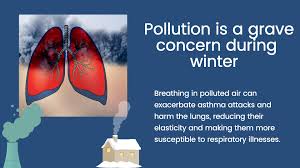
We often notice that winter brings a rise in smog and pollution. The air feels heavy, and visibility drops, especially in cities. Air pollution and its effects on health in winter are serious concerns that affect all age groups. The combination of cold weather, smoke, and industrial emissions creates an unhealthy environment that harms our lungs and overall well-being.
Why Air Pollution Increases in Winter?
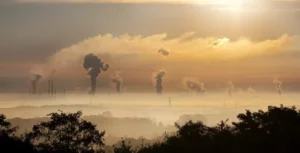
During winter, the air becomes denser, and pollutants such as dust, smoke, and vehicle emissions get trapped near the ground. This happens because of a weather condition called temperature inversion, where cold air near the surface does not allow pollutants to rise. As a result, smog and fine particles stay in the air longer, reducing its quality.
Common causes of air pollution in winter include:
Burning of coal and wood for heating
Vehicle emissions and traffic jamsIndustrial smoke and factory waste
Crop residue burning in nearby areas
Less wind movement that traps pollutants
Major Pollutants Present in Winter Air:
Particulate Matter (PM2.5 and PM10) – These fine particles can enter deep into our lungs and cause serious breathing problems.
Nitrogen Dioxide (NO₂) – Emitted from vehicles and industries, this gas irritates the airways.
Sulphur Dioxide (SO₂) – Comes from coal-burning and affects the respiratory system.
Carbon Monoxide (CO) – A colourless, odourless gas that reduces oxygen in the blood
Ground-level Ozone (O₃) – Can cause chest pain, coughing, and throat irritation.
Effects of Air Pollution on Health in winter:
https://www.airthings.com/resources/air-pollution-winter
Breathing Problems
We often face difficulty in breathing during winter due to the high level of pollutants in the air. People with asthma, bronchitis, or COPD (Chronic Obstructive Pulmonary Disease) feel even worse. The cold air combined with smog triggers coughing, wheezing, and chest tightness.
Heart Diseases
Polluted air affects not only our lungs but also our heart. Tiny particles can enter the bloodstream and cause inflammation in blood vessels, increasing the risk of heart attacks and strokes, especially among older adults.
Weakened Immunity
Continuous exposure to polluted air weakens our immune system. This makes us more prone to infections like cold, flu, and sore throat, which are already common in winter.
Irritation of Eyes, Nose, and Skin
Many of us notice watery eyes, runny noses, or itchy skin in winter. These are common reactions to pollutants present in the air, such as dust and chemicals.
Effect on Mental Health
Recent studies show that long-term exposure to air pollution may also affect our brain function. It can increase stress, fatigue, and even the risk of depression due to lack of fresh oxygen supply.
Vulnerable Groups
Certain groups are more affected by air pollution during winter:
Children, due to developing lungs
Elderly people with weak immune systems
Pregnant women
People with heart or respiratory diseases
Outdoor workers
How to Stay Safe from Air Pollution in Winter:
FAQs about Air Pollution and Its Effects on Health in Winter:
We can protect ourselves and our families by taking simple, effective steps:
Use Masks
Wearing N95 or N99 masks can filter harmful particles from the air and reduce breathing in pollutants.
Avoid Early Morning Walks
Pollution levels are highest in the early morning and late evening. Choose midday for outdoor activities when the air quality is slightly better.
Keep Indoor Plants
Plants like aloe vera, peace lily, and spider plants purify the air naturally.
Stay Hydrated
Drinking plenty of water helps flush toxins from the body.
Eat Antioxidant-Rich Foods
Fruits and vegetables rich in Vitamin C, E, and Omega-3 fatty acids protect our body from pollution damage.
Use Air Purifiers
Using an air purifier at home or office can help maintain clean indoor air.
Reduce Vehicle Use
We should prefer public transport, walking, or cycling to reduce pollution from vehicles.
Natural Remedies to Protect Lungs in Winter
Drink warm herbal teas like ginger or tulsi tea.
Inhale steam with a few drops of eucalyptus oil.
Eat honey with warm water to soothe the throat.
Do breathing exercises daily to strengthen lungs.
Government and Community Role
While individual care is important, government and community efforts matter too. Authorities must control industrial emissions, encourage green energy, and promote awareness. Together, we can make our air cleaner and safer for everyone.
Conclusion
In conclusion, air pollution and its effects on health in winter are major public health challenges. The cold air may feel refreshing, but hidden within it are harmful pollutants that can damage our lungs, heart, and overall health. By taking preventive measures and adopting eco-friendly habits, we can protect ourselves and contribute to a cleaner environment. Breathing fresh air should be a right, not a risk.
FAQ about air pollution.
Why is air pollution worse in winter?
Answer:
Because cold air traps pollutants near the ground, creating smog and reducing air quality.How does air pollution affect health in winter?
Answer:
It causes breathing problems, weakens the immune system, and increases the risk of heart and lung diseases.
What foods help fight the effects of pollution?
Answer:
Citrus fruits, green leafy vegetables, nuts, and herbal teas are beneficial.
Can air purifiers really help?
Answer:
Yes, they help reduce indoor pollution and improve air quality.
What can we do to reduce pollution?
Answer:
Use public transport, avoid burning waste, plant trees, and promote cleaner energy sources.