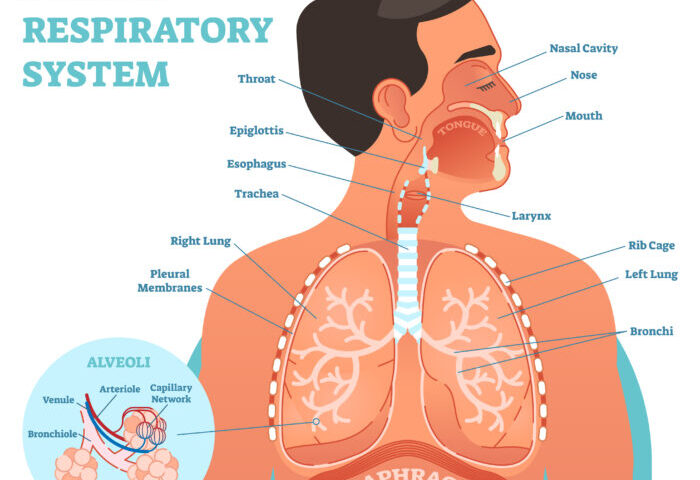
 winter brings cool winds, cozy nights, and fresh air but it can also cause discomfort for our lungs. Many people notice coughing, tightness in the chest, or shortness of breath when they step outside in cold weather.
This happens because cold air affects lung health, especially for people with asthma, bronchitis, or other respiratory conditions. Understanding how cold air impacts our lungs helps us take better care of ourselves during winter.
Why Cold Air Feels Hard to Breathe?
Many people notice that breathing feels heavier and more uncomfortable in cold weather. This happens because cold air and lung health are closely linked. Cold air is usually dry and contains less moisture. When we breathe it in, the dry air irritates the lining of our nose, throat, and lungs.
Our lungs are warm and moist by nature. When the cold, dry air enters, it causes the airways to tighten or constrict — a natural defense reaction. This narrowing reduces airflow and makes breathing feel harder. That’s why we often experience coughing, shortness of breath, or a burning sensation in the chest during winter walks or exercise.
For people with asthma or chronic lung issues, this reaction is stronger, often leading to wheezing or breathing discomfort. The body must work harder to warm the air before it reaches the lungs, which also increases fatigue.
Simple tip: Try breathing through your nose instead of your mouth. The nose naturally warms and filters the air, reducing the harsh effect of cold air on lung health.
https://www.asthmaandlung.org.uk/living-with/cold-weather
Who Is Most Affected by Cold Air?
Cold weather doesn’t affect everyone equally. Some people are more sensitive to temperature changes and may notice more serious breathing problems.
Groups most affected by cold air and lung health issues include:
Asthma patients: Cold air can trigger asthma attacks because it causes airway muscles to tighten quickly.
People with COPD (Chronic Obstructive Pulmonary Disease): Their lungs are already weak, and cold air can worsen shortness of breath.
Children and the elderly: Both have more delicate respiratory systems and weaker immune responses.
Outdoor workers and athletes: They inhale large amounts of cold air while working or exercising outside, which can irritate the lungs.
People exposed to pollution or smoke: Their lungs are already sensitive, so cold, dry air can cause inflammation more easily.
Tip: Anyone in these groups should avoid sudden exposure to extreme cold and always cover their mouth and nose before going outdoors.
Signs That Cold Air Is Affecting Lung Health:
Sometimes it’s hard to tell if cold air is harming our lungs, but our body gives clear warning signs. If you notice these symptoms, it may mean your lungs are struggling with the cold air:
when we have outsiden Coughing, especially after going outside and our chest become tightness in the chest and them starts Wheezing or whistling sound while breathing Shortness of breath even during light activity. we are Feeling tired or breathless after outdoor exposure Dry throat or irritation that worsens in cold weather
These are common signs that cold air and lung health are not in balance. Ignoring them can lead to infections or respiratory problems during the winter season.
Tip: If these symptoms happen often, consult a doctor and limit outdoor exposure until you feel better.
Natural Ways to Protect Lung Health in Cold Weather:
Even though cold air can challenge our breathing, there are many simple and natural ways to protect our lungs. Let’s look at the most effective habits for maintaining cold air and lung health balance.
Cover Your Nose and Mouth:
Always wear a scarf or soft mask when stepping outside. This warms the air before it reaches your lungs and prevents airway tightening.
Stay Hydrated:
In winter, we often forget to drink water. But hydration keeps mucus thin and the lungs moist, making breathing easier. Drink warm water, soups, or herbal teas regularly.
Use a Humidifier:
we should always used soft mask cold air tends to be dry, especially indoors. Using a humidifier adds moisture to the air and prevents irritation in the throat and lungs.
Avoid Outdoor Activities During Early Morning:
often happens that cold air is harshest in the early morning and late night. Try walking or exercising during the warmer hours of the day.
Eat Lung-Healthy Foods:
we should that we always used Foods rich in antioxidants, Vitamin C, and anti-inflammatory properties such as oranges, honey, turmeric, and ginger strengthen the lungs and prevent respiratory infections.
Practice Deep Breathing Indoors:
They are special ways of breathing in and out slowly and deeply to make our lungs stronger, calmer, and healthier.For example: Taking a deep breath in through the nose, Holding it for a few seconds, and Breathing out slowly through the mouth. These exercises help increase oxygen in our body, reduce stress, and support better lung health, especially in cold weather.
Indoor Care for Healthy Lungs:
During winter, we spend more time indoors to stay warm. However, closed spaces can collect dust, smoke, and allergens, which may harm cold air and lung health balance.
Here’s how to keep indoor air healthy:
Ventilate your rooms: Open windows for a few minutes daily to allow fresh air inside.
Keep your home clean: Dust and vacuum regularly to prevent allergies.
Avoid smoking indoors: Smoke damages lungs and makes breathing harder.
Use indoor plants: Plants like aloe vera and peace lily help purify the air naturally.
Maintain warmth safely: Avoid using coal or wood stoves without proper ventilation, as they can release harmful gases.
Tip: Clean air inside your home is just as important as avoiding cold air outside. Together, these habits protect your lungs all season.
Breathing Exercises for Stronger Lungs::
Breathing exercises are one of the best natural ways to strengthen lung health during cold weather. They help the lungs use oxygen efficiently and reduce stress on the respiratory system.
Practicing them regularly builds resistance against cold air and lung health problems.
Deep Breathing:
we can sit comfortably and inhale slowly through your nose. Hold your breath for 3 seconds. Exhale gently through your mouth. Repeat 5–10 times to relax and expand your lungs.
Pursed-Lip Breathing:Inhale through your nose for 2 seconds. Purse your lips as if you’re whistling.
Exhale slowly through your lips for 4 seconds.
This technique helps release trapped air and reduces shortness of breath.
Diaphragmatic (Belly) Breathing:
Lie down or sit comfortably. Place one hand on your chest and one on your belly. Inhale deeply so your belly rises, not your chest. Exhale slowly. This exercise strengthens the diaphragm, making breathing easier and smoother.
Tip: Spend 10 minutes each day doing these exercises. They naturally improve your resistance to the harsh effects of cold air on the lungs.
Conclusion:
Cold air can make breathing difficult, but with awareness and care, we can protect our lungs all winter long. Covering up, staying hydrated, keeping indoor air clean, and doing breathing exercises are simple steps that keep our respiratory system healthy.
Remember, cold air and lung health doesn’t have to be enemies they can coexist peacefully if we care for our bodies naturally. With the right habits, we can enjoy winter’s beauty without sacrificing our breath and comfort.
Cold air can challenge our respiratory system, but with care and awareness, we can keep our lungs healthy all winter long.
Covering up, staying hydrated, and breathing through the nose are small yet powerful ways to protect lung health. Remember, the goal is not to avoid cold weather it’s to adapt wisely.
With mind ful habits, we can enjoy the winter season while keeping our lungs warm, strong, and happy.
FAQs on Cold Air and Lung Health:
1. Why does cold air because breathing problems?
Answer:
Cold air is usually dry, and when we breathe it in, it can irritate the lungs and airways. This irritation can make it harder to breathe, especially for people with asthma or other lung conditions. The sudden temperature change also causes the airways to tighten, reducing airflow and leading to discomfort.
2. Who is most at risk from cold air exposure?
Answer:
People with asthma, bronchitis, COPD, or weak immune systems are most affected by cold air. Children and older adults also face a higher risk because their lungs are more sensitive to dry and cold weather.
3. How can we protect our lungs from cold air naturally?
Answer:
we can protect lung health in cold air, we can cover our nose and mouth with a warm scarf when going outside. Staying hydrated, doing regular breathing exercises, and using a humidifier indoors can help keep the airways moist and comfortable.
4. Can breathing exercises improve cold air lung health?
Answer:
Yes, deep breathing exercises help strengthen the lungs and make them more flexible. Practicing slow inhaling and exhaling helps improve oxygen flow and reduces the effect of cold air on breathing.
5. How does indoor air quality affect lung health in winter? Answer:
Answer:
Poor indoor air can make breathing harder. Using heating devices without ventilation increases dust and smoke, which irritate the lungs. Keeping rooms clean, using air purifiers, and ensuring proper ventilation support better lung health in winter.
6. What are the signs that cold air is affecting our lungs?
Answer:
Common signs include coughing, wheezing, chest tightness, and shortness of breath. If these symptoms occur regularly in winter, it may mean the cold air is stressing the lungs and you need to take protective steps.
7. Is cold air dangerous for healthy lungs?
Answer:
For most people, short exposure to cold air is not harmful. But continuous exposure without protection can still cause irritation, dryness, and minor breathing discomfort. Keeping the lungs warm and hydrated helps prevent these effects.
8. What foods help maintain lung health during winter?
Answer:
Fruits and vegetables rich in vitamin C, omega-3 fatty acids, and antioxidants like oranges, spinach, and nuts support strong lungs. These nutrients help reduce inflammation and improve overall cold air and lung health.