Diet and Health Conditions: How Nutrition Shapes Our Health
We often ignore how much our daily diet affects our overall health. The connection between diet and health conditions is stronger than we think. What we eat every day plays a major role in how our body functions, how we feel, and how we fight diseases. We can improve our lifestyle simply by choosing the right foods and avoiding harmful eating habits.
Often, we see people suffering from chronic illnesses like diabetes, heart disease, or obesity, and many of these conditions are directly linked to poor diet choices. We should understand that food is not just for filling our stomach; it is the fuel that keeps our body active and healthy.
The relationship between diet and health conditions is very important. Our body needs nutrients like vitamins, minerals, proteins, and healthy fats to function properly.
Understanding the Link Between Diet and Health Conditions
Understanding the connection between diet and health conditions is very important for living a healthy and balanced life. What we eat every day directly affects how our body functions, how strong our immune system is, and how well we can prevent or manage diseases. A healthy diet is not just about eating less or more—it is about eating the right foods in the right amounts.
What Is the Link Between Diet and Health?
The food we consume provides our body with nutrients like vitamins, minerals, proteins, fats, and carbohydrates. These nutrients help in:
- Building and repairing body tissues
- Producing energy
- Supporting brain function
- Strengthening the immune system
When our diet is balanced, our body works properly. But when our diet is poor, it can lead to various health problems.
How Diet Affects Different Health Conditions
Heart Disease
Unhealthy eating habits such as consuming too much oil, fried food, and processed items can increase cholesterol levels. This can lead to heart disease.
Healthy diet tips:
- Eat fruits and vegetables
- Choose healthy fats (like olive oil)
- Avoid junk food
Diabetes
Eating too much sugar and refined carbohydrates can increase blood sugar levels and lead to diabetes and overall health.
Healthy diet tips:
- Reduce sugar intake
- Eat whole grains
- Include fiber-rich foods
Obesity (Weight Gain)
A diet high in calories and low in nutrients can cause weight gain and obesity.
Healthy diet tips:
- Control portion sizes
- Avoid fast food
- Drink plenty of water
Bone Health
Lack of calcium and vitamin D in the diet can weaken bones and lead to conditions like osteoporosis.
Healthy diet tips:
Drink milk or dairy products and we should Get sunlight for vitamin and Eat leafy green for vegetables and overall health.
Mental Health
Diet also affects our brain. Poor nutrition can lead to stress, anxiety, and depression.
Healthy diet tips:
- Eat nuts and seeds
- Include fruits and vegetables
- Avoid excessive caffeine
- https://www.niehs.nih.gov/health/topics/nutrition
Role of Nutrients in Maintaining Health
Each nutrient plays a unique role:
- Proteins → Build muscles and repair tissues
- Carbohydrates → Provide energy
- Fats → Support brain and hormone function
- Vitamins & Minerals → Protect against diseases
A balanced diet includes all these nutrients in proper amounts.
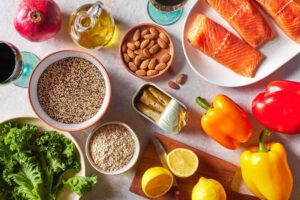
Balanced Meal Plate Showing The Benefits Of A Healthy Diet
Effects of Poor Diet on Health
If we do not follow a healthy diet, we may face:
- Weak immune system
- Frequent illness
- Low energy levels
- Digestive problems
- Increased risk of chronic diseases
Poor diet over time can seriously damage our overall health.
Importance of a Balanced Diet
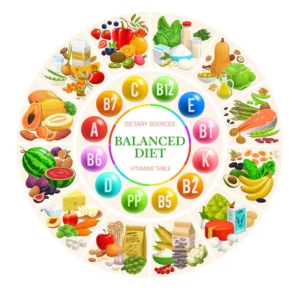
A balanced diet helps us:
- Maintain a healthy weight
- Improve energy levels
- Prevent diseases
- Boost immunity
- Enhance mental health
We should include:
- Fresh fruits and vegetables
- Whole grains
- Lean protein
- Healthy fats
Lifestyle + Diet = Better Health
Diet alone is not enough. A healthy lifestyle also matters.
We should:
- Exercise regularly
- Drink enough water
- Get proper sleep
- Avoid smoking and junk food
When diet and lifestyle work together, our body stays strong and active.
Conclusion
Understanding the link between diet and health conditions helps us make better food choices. A healthy diet is the foundation of a healthy life. By choosing nutritious foods and avoiding unhealthy habits, we can prevent many diseases and improve our overall well-being.
How Food Affects Our Body
We can say that food acts like medicine for our body. Healthy food supports:
- Strong immune system
- Better digestion
- Balanced hormones
- Proper energy levels
On the other hand, unhealthy food can lead to:
- Weight gain
- Weak immunity
- Chronic diseases
Nutrient Deficiency and Health Risks
Often, lack of nutrients causes serious problems like:
- Iron deficiency → Anemia
- Vitamin D deficiency → Weak bones
- Lack of protein → Muscle loss
We should focus on a balanced diet to avoid these issues.
Common Health Conditions Caused by Poor Diet
There are many diseases that are directly linked with poor eating habits. Let’s discuss them in detail.
Obesity
We often see obesity increasing due to junk food and sugary drinks. Excess calories lead to fat accumulation, which affects overall health.
Diabetes
High sugar intake and unhealthy lifestyle increase the risk of type 2 diabetes. We should control sugar and refined carbs in our diet.Read more about “How to Reduce Belly Fat with a Simple Diet Plan and Routine”
How To Weight Lose With Banana For Belly Fat:
Heart Diseases
Eating too much oily and processed food can increase cholesterol levels. This leads to heart problems.
High Blood Pressure
Salt-rich and processed foods can raise blood pressure levels. We should limit sodium intake.“Understanding Blood Pressure: What It Is and How to Control It Naturally” Healthy Diet For Preventing Blood Pressures Naturally:
Best Diet for Preventing Health Conditions
The best diet for preventing health conditions is a balanced and nutrient-rich eating plan that supports overall body function and reduces the risk of diseases like Heart Disease, Type 2 Diabetes, and Obesity. Such a diet should include plenty of fresh fruits and vegetables, whole grains, lean proteins like fish, eggs, and legumes, and healthy fats from sources like nuts, seeds, and olive oil.
We should limit processed foods, added sugars, and excessive salt, as they can harm our health over time. Including fiber-rich foods helps improve digestion and control blood sugar levels, while antioxidants from natural foods protect the body from damage and strengthen immunity.
Drinking enough water and maintaining portion control are also essential parts of a healthy diet. By following a consistent, well-balanced diet, we can support our body systems, maintain a healthy weight, and significantly reduce the risk of many long-term health conditions.
Eat Fresh Fruits and Vegetables
We should include:
- Apples
- Bananas
- Spinach
- Carrots
These foods are rich in vitamins and antioxidants.
Choose Whole Grains
Whole grains like:
- Brown rice
- Oats
- Whole wheat
They improve digestion and keep us full longer.
Include Protein in Daily Diet
Protein helps in muscle growth and repair. Good sources include:
EggsChicken
Lentils
Yogurt
Include Protein in Daily Diet
Including protein in our daily diet is essential for maintaining overall health and body strength. Protein plays a key role in building and repairing body tissues, supporting muscle growth, and maintaining healthy skin, hair, and nails. We should include a variety of protein-rich foods such as eggs, milk, yogurt, lentils (daal), beans, nuts, seeds, chicken, and fish in our meals.
Protein also helps in producing enzymes and hormones that regulate many body functions. Additionally, it keeps us feeling full for a longer time, which can help in managing weight and preventing overeating. A balanced intake of protein every day supports energy levels, strengthens the immune system, and helps the body recover faster from illness or physical activity.
Drink Enough Water
Hydration is key for good health. Water helps in:
- Digestion
- Detoxification
- Energy balanc
- Read “Best Ways to Stay Hydrated in Summer”
- The Importance of Staying Hydrated in Summer
Diet for Specific Health Conditions
Different health conditions require different diet plans. Let’s explore some.
Diet for Diabetes
We should:
- Avoid sugar and sweets
- Eat low glycemic foods
- Increase fiber intake
Best foods:
- Whole grains
- Green vegetables
- Nuts
Diet for Heart Health
We can protect our heart by:
- Eating less saturated fats
- Including omega-3 fatty acids
Best foods:
- Fish
- Nuts
- Olive oil
Diet for Weight Loss
Weight loss depends on calorie control and healthy eating.
We should:
- Avoid junk food
- Eat small frequent meals
- Increase physical activity
“Weight Loss with Banana: A Tasty Way to Burn Belly Fat Naturally”
How To Weight Lose With Banana For Belly Fat:
Diet for Digestive Health
Good digestion is very important for overall health.
We should:
- Eat fiber-rich foods
- Include probiotics
Best foods:
- Yogurt
- Mint
- Fruits
“How Mint Supports Digestion and Improves Overall Health”
How Mint Supports Digestion and Improves Overall Health
Foods to Avoid for Better Health
To maintain a healthy lifestyle, we should avoid harmful foods.
Processed Foods
These contain preservatives and unhealthy fats.
Sugary Drinks
Soft drinks and energy drinks increase sugar levels.
Excess Salt
High salt intake causes blood pressure issues.
Fried Foods
These increase cholesterol and weight.
Importance of Balanced Diet
A balanced diet includes all essential nutrients in the right amount.
Benefits of Balanced Diet
- Improves energy
- Supports brain function
- Prevents diseases
- Enhances immunity
We should always try to maintain balance in our meals.
Healthy Eating Habits for Better Life
Good habits are as important as good food.
Eat on Time
Regular meals improve metabolism.
Avoid Overeating
We should eat according to our body needs.
Stay Active
Exercise supports diet in maintaining health.
Sleep Well
Good sleep helps in digestion and recovery.
Role of Lifestyle in Diet and Health Conditions
Diet alone is not enough; lifestyle also matters.
We should:
- Manage stress
- Exercise regularly
- Avoid smoking
- Limit alcohol
A healthy lifestyle improves overall wellbeing.
Role of Lifestyle in Diet and Health Conditions
Lifestyle plays a crucial role in shaping our diet and overall health conditions. Our daily habits—such as eating patterns, physical activity, sleep, and stress management—directly influence how our body responds to food and maintains health. A healthy lifestyle that includes regular exercise, balanced meals, and proper hydration helps prevent chronic diseases like Heart Disease, Type 2 Diabetes, and Hypertension.
On the other hand, unhealthy habits such as consuming junk food, lack of physical activity, irregular sleep, and high stress levels can negatively affect metabolism, weaken the immune system, and increase the risk of illness.
We should adopt a disciplined lifestyle by choosing nutritious foods, maintaining a regular routine, and staying active to support long-term health. A positive lifestyle not only improves physical well-being but also enhances mental health, helping us live a more balanced and disease-free life.
FAQs About Diet and Health Conditions
How does diet affect health conditions?
Diet directly impacts our body functions and can either prevent or cause diseases.
What is the best diet for overall health?
A balanced diet with fruits, vegetables, protein, and whole grains is best.
Can diet cure diseases?
Diet helps manage and prevent diseases but may not fully cure all conditions.
How can we improve our diet?
We can improve our diet by choosing fresh, natural, and balanced foods.
Conclusion
We can clearly see that diet and health conditions are deeply connected. Our daily food choices decide our future health. We should always focus on eating healthy, staying active, and maintaining a balanced lifestyle.
Often, small changes in diet can bring big improvements in health. We can start by including nutritious foods, avoiding junk food, and following healthy habits. In this way, we can protect ourselves from many diseases and live a healthier and happier life.