 Smoking has a serious and long-lasting effect on oral health. The mouth is the first place where cigarette smoke enters the body, so damage begins here. Harmful chemicals such as nicotine and tar directly affect teeth, gums, and the bone around teeth.
Over time, smoking weakens the natural defense system of the mouth. Gums become weak, infections increase, and bone supporting the teeth slowly breaks down. This is why smoking is a major cause of periodontal disease and tooth loss.
Smoking and Gum Disease (Periodontitis)
Smoking and Gum Disease (Periodontitis)
Smoking is one of the biggest risk factors for gum disease, also known as periodontitis. Gum disease starts with plaque buildup around the gums. In smokers, bacteria grow faster because smoking reduces blood flow and weakens immunity.
In early stages, gums may look normal, but infection continues silently. Later, gums pull away from teeth, deep pockets form, and bone loss begins. Smokers often suffer from severe periodontitis compared to non-smokers.
Smoking and Gum Disease (Periodontitis)
Tobacco-Stained Teeth
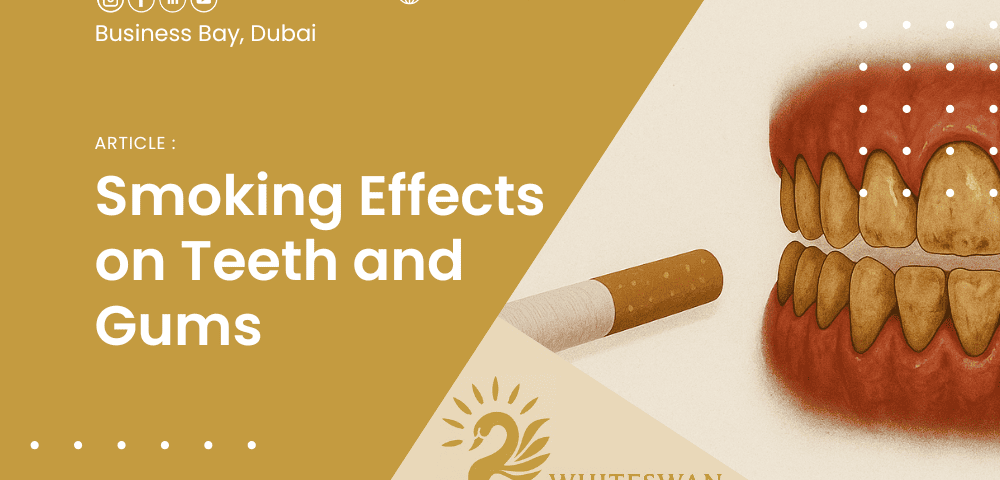
One of the most visible effects of smoking is tooth staining. Nicotine and tar stick to tooth enamel and cause yellow or brown discoloration. These stains are difficult to remove with brushing alone.
Stained teeth affect appearance and confidence. They also indicate deeper damage inside the mouth caused by smoking.
Persistent Bad Breath (Halitosis)
Persistent bad breath is common in smokers. Smoking dries the mouth and reduces saliva, which normally helps clean bacteria. When saliva is low, bacteria multiply and release unpleasant odors. Smoking-related bad breath does not go away easily and often remains even after brushing.
Delayed Healing After Dental Procedures
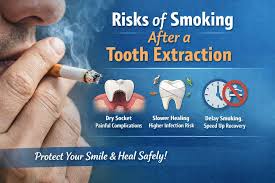
Smoking slows down healing after dental treatments such as tooth extraction, gum surgery, or implants. Reduced blood flow means less oxygen and nutrients reach the healing area.
As a result:
- Wounds heal slowly
- Infection risk increases
- Treatment success decreases
This makes dental care more difficult for smokers.
Delayed Healing After Dental Procedures
Cigarette Effect on Teeth: Complications Related to Smoking
Smoking causes many complications related to teeth and supporting structures.
Increased Risk of Oral Infection
Smoking weakens the immune system, allowing bacteria and fungi to grow easily. Smokers are more prone to gum infections, abscesses, and oral sores.
Tooth Loss and Bone Deterioration
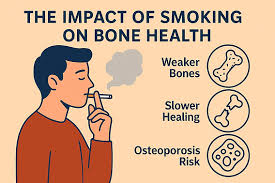
The effect of smoking on bone around teeth is one of the most dangerous outcomes. Smoking reduces oxygen supply to bone cells, causing bone to break down faster than it can repair. As bone deteriorates, teeth lose support, become loose, and eventually fall out.
Smoking and Mouth Cancer Risk
Smoking greatly increases the risk of mouth cancer. Long-term exposure to tobacco damages oral tissues and causes abnormal cell growth.
Common Symptoms Smokers Should Watch For
Smokers are more likely to develop dental issues, many of which show early warning signs that should not be ignored.
Warning Signs of Dental Problems Caused by Smoking
- Bleeding gums
- Swollen or tender gums
- Persistent bad breath
- Loose teeth
- Receding gums
- Pain while chewing
- White or red patches in the mouth
Ignoring these signs can lead to severe periodontal damage.
Treatment Options for Smoking-Related Dental Problems
Treatment depends on the severity of the problem.
- Professional dental cleaning
- Deep cleaning (scaling and root planing)
- Gum surgery in advanced cases
- Antibiotic therapy
- Tooth replacement (dentures or implants)
Quitting smoking greatly improves treatment success.
effects of smoking
Preventive & Daily Care Tips for Smokers
Oral Hygiene Practices
- Brush teeth twice daily
- Use fluoride toothpaste
- Floss every day
- Use antiseptic mouthwash
Diet and Hydration
- Drink plenty of water
- Eat fruits and vegetables
- Reduce sugary foods
Don’t Miss Dental Checkups
Regular dental visits help detect problems early and prevent severe damage.
Practical Tips to Quit Smoking
Quitting smoking is the best decision for oral and overall health.
- Reduce cigarettes gradually
- Manage stress
- Stay physically active
- Seek family support
- Use natural quitting methods
- Practical Tips to Quit Smokingh
Quitting improves blood flow, healing, and bone health.
Why Regular Dental Visits Matter
Regular dental checkups allow early detection of gum disease and bone loss. Dentists can identify damage before it becomes severe and guide smokers on proper care.
ABSTRACT
Introduction:
Smoking is a major cause of oral diseases affecting gums, teeth, and bone around teeth.
Objective:
To explain the effect of smoking on bone around teeth and related oral complications.
Methods:
Review of clinical observations and dental research related to smoking and periodontal health.
Results:
Smoking increases gum disease, bone loss, tooth loss, and delays healing.
Conclusion(s):
Smoking has a destructive effect on oral health, especially bone around teeth. Quitting smoking and early dental care can prevent severe damage.
What Is Gum Disease?
Gum disease is an infection of the tissues that support teeth. It begins with plaque buildup and progresses to bone loss if untreated.
Warning Signs and Symptoms of Gum Disease
- Bleeding gums
- Red or swollen gums
- Bad breath
- Gum recession
- Loose teeth
How Is Smoking Related to Gum Disease?
Smoking reduces blood flow and immune response, allowing bacteria to destroy gum tissue and bone more quickly.
How Can Gum Disease Be Prevented?
- Quit smoking
- Maintain oral hygiene
- Eat a healthy diet
- Visit dentist regularly
How Is Gum Disease Treated?
Treatment includes professional cleaning, medication, and surgery in severe cases. Quitting smoking improves treatment outcomes.
Q: Bone Around the Teeth
Q1: What is the bone around the teeth called?
The bone around the teeth is called the alveolar bone. It supports the teeth and keeps them firmly in place.
Q2: Why is bone around the teeth important?
This bone holds teeth stable, supports chewing, and maintains proper facial structure. Bone loss can lead to loose teeth or tooth loss.
Q3: What causes bone loss around the teeth?
Common causes include gum disease, smoking, poor oral hygiene, tooth loss, aging, and certain medical conditions.
Q4: How does smoking affect bone around the teeth?
Smoking reduces blood flow and oxygen supply, leading to bone breakdown and slower healing around the teeth.
Q5: Can bone loss around teeth be reversed?
Early bone loss can be controlled with treatment, but advanced bone loss is usually permanent and requires dental procedures.
Q6: What are signs of bone loss around teeth?
Signs include receding gums, loose teeth, bleeding gums, bad breath, and increased tooth sensitivity.
Q7: How can bone around the teeth be protected?
Good oral hygiene, quitting smoking, regular dental visits, and early treatment of gum disease help protect bone health.
Q8: Does bone loss affect dental implants?
Yes, sufficient healthy bone is required for implants. Bone loss increases the risk of implant failure.