EffectS of Smoking on Oral Health
The effect of smoking on oral health is one of the most common yet ignored health problems. The mouth is the first part of the body that comes in direct contact with cigarette smoke. Harmful chemicals, heat, and toxins immediately affect teeth, gums, tongue, and saliva.
Many people think smoking only causes bad breath or stained teeth, but the damage is much deeper. Over time, smoking weakens gums, increases infections, and leads to serious dental problems. The effect of smoking on oral health often develops slowly, which is why many smokers do not realize the danger until permanent damage occurs.
Smoking and Its Effect on Periodontium
How Smoking Enters and Damages the Mouth
When a person smokes, toxic substances like nicotine, tar, and carbon monoxide enter the mouth first. These chemicals:
- Reduce oxygen supply
- Damage soft tissues
- Slow healing processes
Smoking also dries the mouth by reducing saliva production. Saliva is essential for washing away bacteria. When saliva is low, bacteria grow faster and cause infections.
Effect of Smoking on Teeth
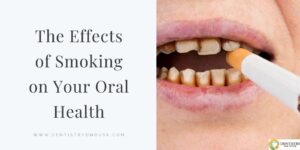
Smoking has a strong negative impact on teeth. Nicotine and tar stick to tooth enamel and cause yellow or brown stains. These stains are hard to remove with regular brushing.
Smoking also increases plaque and tartar buildup. This leads to cavities, tooth sensitivity, and enamel damage. Over time, teeth become weak and more prone to decay.
https://www.betterhealth.vic.gov.au/health/healthyliving/smoking-and-oral-health
Effect of Smoking on Gums
The gums are one of the most affected parts of oral health. Smoking reduces blood flow to gum tissues. When blood supply is poor, gums receive less oxygen and nutrients.
Because of this:
- Gums heal slowly
- Infections spread easily
- Early warning signs are hidden
This explains the strong connection between
Smoking and Periodontal Disease
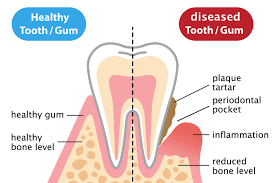
Smoking is a major risk factor for periodontal disease. In smokers, bacteria grow quickly around the gum line. The immune system becomes weak and cannot fight these bacteria properly.
As periodontal disease progresses:
- Gums pull away from teeth
- Deep pockets form
- Bone around teeth starts breaking down
This condition is closely related to smoking and its effect on periodontium, where supporting structures of teeth are damaged.
: smoking and its effect on periodontium
Effect of Smoking on Bone Around Teeth
The effect of smoking on bone around teeth is one of the most serious oral health problems. Smoking reduces oxygen in the blood, which is essential for bone health.
Bone-forming cells become weak, while bone-destroying cells become more active. As a result, bone loss occurs around teeth. This makes teeth loose and unstable.
effect of smoking on bone around teeth
Smoking and Bad Breath (Halitosis)
Bad breath is a common problem among smokers. Smoking dries the mouth and allows bacteria to grow. These bacteria release unpleasant odors.
Unlike temporary bad breath, smoking-related bad breath is persistent and difficult to control without quitting smoking.
Passive Smoking and Oral Health
Passive smoking also causes oral health problems. People who inhale smoke from others are exposed to the same toxic chemicals.
The passive smoking effects on oral health include:
- Gum irritation
- Increased cavities
- Higher risk of gum disease
Children exposed to cigarette smoke often develop poor oral hygiene and weak gums.
passive smoking effects on oral health
Long-Term Effects of Smoking on Oral Health
The long-term effects of smoking on oral health become severe with time. These include:
- Chronic gum disease
- Permanent bone loss
- Tooth mobility
- Tooth loss
- Oral infections
Long-term smokers often require advanced dental treatments due to extensive damage.
Smoking and Tooth Loss
Smoking and tooth loss are strongly connected. As gums and bone weaken, teeth lose support and eventually fall out or need extraction.
Smokers lose more teeth at a younger age compared to non-smokers. Tooth loss affects chewing, speech, appearance, and confidence.
: smoking and tooth loss
Smoking and Dental Treatment Failure
Smoking reduces the success rate of dental treatments. Procedures like gum therapy, tooth extraction healing, and implants are less successful in smokers.
Smoking is one of the main dental implant failure causes because it delays healing and increases infection risk.
: dental implant failure causes
Can Oral Health Improve After Quitting Smoking?
Yes, oral health improves after quitting smoking. Blood flow to gums increases, healing becomes faster, and infection risk decreases.
However, damage like severe bone loss may not fully recover. This is why early quitting is very important.
How to Protect Oral Health
To reduce the effect of smoking on oral health, follow these steps:
- Quit smoking
- Brush twice daily
- Floss regularly
- Visit a dentist every 6 months
- Maintain a healthy diet
Learning how to quit smoking naturally can help protect your teeth and gums.
Conclusion
The effect of smoking on oral health is serious and long-lasting. Smoking damages teeth, gums, bone, and soft tissues of the mouth. It increases the risk of gum disease, periodontal disease, tooth loss, and treatment failure.
Both active and passive smoking harm oral health. Quitting smoking and maintaining good oral hygiene are the best ways to protect your mouth and overall health.
❓ Frequently Asked Questions (FAQs)
Does smoking damage oral health?
Yes, smoking damages teeth, gums, bone, and saliva, leading to serious oral diseases.
Can oral health recover after quitting smoking?
Yes, gum health and healing improve after quitting, but bone loss may not fully recover.
Why do smokers have less gum bleeding?
Smoking reduces blood flow, which hides early signs like bleeding.
Is passive smoking harmful to oral health?
Yes, passive smoking increases gum disease and cavity risk.