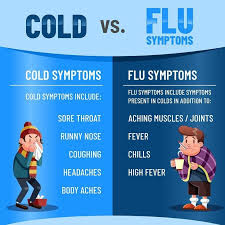
Know The Difference: Flu, Fever, And Cough In Kids Vs. Adults
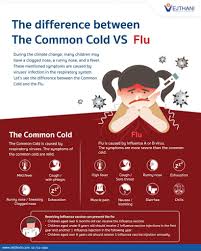
When flu season arrives, many of us feel unsure whether we or our children are facing just a simple cold or something more serious like flu or fever. Understanding the signs early can make a big difference in how fast we recover and how well we manage theA symptoms. That’s why it’s important to know the difference between flu treatment at home
What Is the Flu?A
Flu, or influenza, is a viral infection that affects the nose, throat, and sometimes the lungs. It comes on quickly and is more intense than a common cold. Flu can happen to both children and adults, but the way it appears can be slightly different.
In adults, flu often begins with chills, tiredness, and muscle aches. We may feel weak, sleepy, and unable to focus. In children, flu can also include stomach pain, vomiting, and higher risk of dehydration. Recognizing these early signs can help us treat the illness faster.
Flu, short for influenza, is a viral infection. It affects the respiratory system including the nose, throat, and lungs. It spreads easily from one person to another. Common signs include high fever, muscle pain, dry cough, sore throat, and chills. http://: https://fitsdaily.com/stay-healthy-nat…d-fever-symptoms/
In adults, the flu often starts suddenly with tiredness and body pain. We may feel weak, cold, and achy all over. A dry cough and sore throat usually follow. Sometimes we may also experience headaches and loss of appetite.
In children, flu symptoms can be more severe. Along with the usual signs, they may also have vomiting or diarrhea. Kids may be more irritable and cry more than usual.
Babies may refuse milk or sleep more than normal. Children are also at a higher risk of dehydration during flu.
Understanding Fever
Fever is not a disease but a symptom. It is the body’s natural reaction to fight infection. In both kids and adults, a fever means our body is heating up to kill viruses or bacteria.
For children, especially babies, a slight increase in body temperature can be serious. In adults, fever often means there’s an infection like flu or cold.
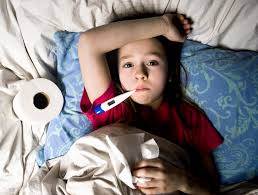
But adults may handle a mild fever better than children. Normal body temperature is around 98.6°F (37°C). If it goes above 100.4°F (38°C), we may have a fever. In children, any fever over 101°F (38.3°C) should be watched closely.
Fever is not an illness itself. It is the body’s natural response to fighting an infection. Fever helps slow down the growth of germs. Normal body temperature is around 98.6°F (37°C). In adults, a fever is usually mild. It may cause sweating, tiredness, or chills. We may take a pain reliever and rest.
In children, even a small fever can be concerning. Babies with fever should be watched closely. High fever in children can lead to febrile seizures. Parents must act quickly if the child is not responding or is very drowsy.
https://www.texaschildrens.org/content/wellness/flu-symptoms-kids-what-parents-need-know
What about Cough?
Cough is another common symptom we see in flu and cold. It helps clear the throat and lungs of mucus. But not all coughs are the same.
In adults, cough may sound dry or chesty. In children, coughs can be louder, harsher, or may trigger vomiting in some cases. If the cough is dry, it might be a viral infection.
If it produces mucus, it could be due to a bacterial infection. Persistent cough, lasting more than a week, should be discussed with a doctor for both adults and children.
Cough is a symptom that helps clear the airway. It is common in flu and other infections. In adults, cough may be dry or come with mucus. Dry cough usually means a virus. Mucus cough can be bacterial.
In kids, cough can sound harsher. It may lead to vomiting or difficulty sleeping. Some children get croup, which causes a barking cough. Persistent cough in kids should be checked by a doctor.
Key Differences in Symptoms – Kids vs. Adults
Here’s how we can compare the signs:
Symptom |
In Adults |
In Children |
Fever |
Usually mild to moderate |
Often high and quick to rise |
Flu onset |
Sudden fatigue, body pain |
Fever, chills, tiredness |
Cough |
Dry or chesty |
May be strong, cause gagging or vomiting |
Muscle aches |
Common |
Less common |
Headache |
Often strong |
Not always present |
Appetite |
Reduced |
May stop eating or drinking |
Vomiting/Diarrhea |
Rare |
More common in young children |
When to Worry?
Sometimes flu, fever, or cough can become serious. Here are signs we should not ignore:
In children:
-
Trouble breathing
-
High fever (above 103°F or 39.4°C)
-
Not drinking fluids
-
Seizures with fever
-
Feeling confused or very sleepy
In adults:
-
Fever over 102°F (38.8°C) for more than 3 days
-
Chest pain
-
Breathing difficulty
-
Constant vomiting
-
Feeling faint or dizzy
If any of these signs appear, we should seek medical help immediately.
Home Care Tips for Adults and Kids
There are simple things we can do at home to feel better:
-
Rest is important. Our bodies heal faster when we get proper sleep.
-
Stay hydrated. Warm fluids like soup or warm water with honey help.
-
Use a cool compress. This helps lower fever naturally.
-
Steam inhalation. Good for clearing blocked noses or soothing coughs.
-
Honey and lemon. Especially for adults and kids above 1 year, this soothes the throat.
-
Keep the room air fresh. Open a window or use a humidifier.