
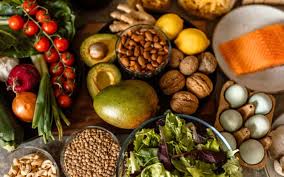
Nutrient-rich foods for daily health are foods that provide a high amount of essential nutrients with relatively few calories. These foods contain vitamins, minerals, protein, healthy fats, and fiber that the body needs to function properly. From experience, when daily meals focus on nutrient-rich foods, the body feels energized, digestion improves, and immunity becomes stronger.
Eating nutrient-rich foods daily supports overall wellbeing and prevents many health issues. To better understand healthy eating, read our guide on Importance of Balanced Diet. You can also explore the Benefits of Whole Foods to learn why natural foods are important.
For stronger immunity, check out Foods That Boost Immunity, and if you need practical guidance, follow our Simple Diet Plan for Beginners.
Importance of balance diet
Why Nutrient-Rich Foods Are Important for Daily Health
The role of nutrient-rich foods for daily health becomes clear when we notice the difference between feeling full and feeling nourished. Foods rich in nutrients support growth, repair tissues, and protect the body from illness. From experience, people who eat nutrient-rich foods regularly experience:
- Better immunity
- Stable energy levels
- Improved digestion
- Healthy skin and hair
- Strong bones and muscles
These foods support the body throughout all stages of life.
Natural Ways To Boost Immunity InThe Cold Season:
Types of Nutrient-Rich Foods for Daily Health
Fruits and Vegetables
Fruits and vegetables are rich in vitamins, minerals, antioxidants, and fiber. Leafy greens, berries, citrus fruits, carrots, and tomatoes are excellent choices. From experience, adding colorful fruits and vegetables to meals improves overall health and digestion.
Whole Grains
Whole grains like oats, brown rice, whole wheat, and quinoa provide complex carbohydrates and fiber. These grains release energy slowly, making them ideal nutrient-rich foods for daily health.
Protein-Rich Foods
Eggs, fish, legumes, lentils, nuts, seeds, and lean meats provide high-quality protein. Protein supports muscle repair, immunity, and hormone production. From experience, balanced protein intake helps maintain strength and stamina.
Healthy Fats
Healthy fats from nuts, seeds, olive oil, and fish support brain health and hormone balance. Nutrient-rich foods for daily health include fats that help absorb vitamins A, D, E, and K.
Nutrient-Rich Foods and Energy Levels
One of the biggest benefits of nutrient-rich foods for daily health is sustained energy. Unlike processed foods, these foods prevent sugar crashes and fatigue. From experience, meals rich in nutrients keep energy steady throughout the day.
How Mint Supports Digestion and Improves Overall Health
Nutrient-Rich Foods and Immunity
The immune system depends heavily on vitamins and minerals. Nutrient-rich foods for daily health strengthen immunity and help the body fight infections. From experience, people who focus on nutrient-dense meals fall sick less often and recover faster.
https://www.health.harvard.edu/staying-healthy/the-best-foods-for-vitamins-and-minerals
Nutrient-Rich Foods for Mental and Emotional Health
Mental clarity and emotional balance are also influenced by nutrition. Omega-3 fats, B vitamins, and minerals like magnesium support brain health. Nutrient-rich foods for daily health improve focus, memory, and stress management.
How to Include Nutrient-Rich Foods in Daily Meals
Understanding Nutrient-Rich Foods
Nutrient-rich foods are foods that provide a high amount of vitamins, minerals, protein, fiber, and healthy fats in every bite. From experience, when meals focus on nutrient-rich foods, the body feels energized, digestion improves, and hunger is controlled naturally. These foods include fruits, vegetables, whole grains, lean proteins, nuts, seeds, dairy, and healthy oils.
Including nutrient-rich foods in daily meals does not require complex recipes or expensive ingredients. It requires simple planning and mindful choices.
Start the Day with a Nutrient-Rich Breakfast
Breakfast sets the tone for the entire day. From experience, starting the morning with nutrient-rich foods improves focus and prevents fatigue.
Easy ways to add nutrients in breakfast:
Oatmeal with fruits and seeds
Eggs with vegetables and whole-grain tast
Yogurt with nuts and berriesSmoothies with fruits, milk, and seeds
A nutrient-rich breakfast supports energy levels and reduces cravings later in the day.
Build Balanced Meals Using the Plate Method
One of the easiest ways to include nutrient-rich foods in daily meals is the plate method. Nutrient-Rich Breakfast
Healthy Breakfast Ideas For Winter Mornings:
Simple plate rule:
Half plate: vegetables and fruits
Quarter plate: whole grains
Quarter plate: protein
From experience, this method helps maintain balance without counting calories. It ensures meals contain fiber, protein, and essential nutrients.
Choose Whole Foods Over Processed Foods
Whole foods are naturally nutrient-dense. Replacing processed foods with whole foods is one of the most effective ways to improve diet quality.
Simple swaps:
White bread → whole-grain bread
Sugary snacks → fruits or nuts
Soft drinks → water or herbal teaFrom experience, these small changes greatly increase nutrient intake without stress.
Include Protein in Every Meal
Protein is essential for muscle repair, immunity, and satiety. Including protein regularly keeps meals balanced and nourishing.
Healthy protein sources:
Eggs
Fish and lean meat
Lentils and beans
Nuts and seeds
Dairy products
From experience, meals with adequate protein keep energy stable and reduce overeating.
Add Healthy Fats in Moderation
Healthy fats support brain health and help absorb vitamins. Nutrient-rich foods like nuts, seeds, olive oil, and avocado should be included daily.
Why Consuming Healthy Fats Supports Weight Control:
Easy ways to add healthy fats:
Sprinkle seeds on salads
Use olive oil for cooking
Add nuts to snacks
Balanced fat intake improves nutrient absorption and overall health.
Eat More Fruits and Vegetables Daily
Fruits and vegetables are rich in vitamins, minerals, antioxidants, and fiber. From experience, increasing vegetable intake improves digestion and immunity.
Practical tips:
Add vegetables to every meal
Eat seasonal fruits
Include raw salads and cooked vegetables
Colorful plates often indicate higher nutrient content.
Plan Meals and Snacks in Advance
Meal planning makes it easier to include nutrient-rich foods daily. From experience, planning reduces unhealthy food choices during busy days.
Smart planning tips:
Prepare vegetables in advance
Keep healthy snacks ready
Cook extra food for later meals
Consistency improves when meals are planned.
Stay Hydrated Along with Nutrient Intake
Water plays a key role in nutrient absorption and digestion. Nutrient-rich foods work best when the body is properly hydrated.
Nutrient-Rich Breakfast for energy
Hydration tip
Drink water regularly
Eat water-rich fruits and vegetables
Avoid excessive sugary drinks
Avoid Common Mistakes
Skipping meals
Relying on packaged “healthy” foods
Avoiding fats completely
Eating the same foods daily
From experience, variety is key to receiving all essential nutrients.
FAQs: How to Include Nutrient-Rich Foods in Daily Meals
Q1. What are nutrient-rich foods?
Nutrient-rich foods provide high vitamins, minerals, fiber, protein, and healthy fats with fewer calories.
Q2. How can I include nutrient-rich foods on a busy schedule?
Choose simple foods like fruits, nuts, yogurt, boiled eggs, and pre-cut vegetables.
Q3. Are nutrient-rich foods expensive?
No. Seasonal fruits, vegetables, lentils, and grains are affordable and nutrient-dense.
Q4. How many servings of fruits and vegetables should I eat daily?
Aim for at least 5 servings daily for balanced nutrition.
Q5. Can nutrient-rich foods help with weight control?
Yes, they keep you full longer and reduce unhealthy cravings.
Conclusion
From experience, learning how to include nutrient-rich foods in daily meals transforms overall health. Small, consistent changes—like choosing whole foods, adding vegetables, and planning meals—lead to long-term energy, stronger immunity, and better wellbeing. m experience, planning meals and shopping mindfully helps maintain a nutrient-rich diet consistently.
Common Mistakes to Avoid
- Relying too much on packaged “healthy” foods
- Skipping meals
- Ignoring portion sizes
- Avoiding fats completely
Nutrient-rich foods for daily health work best when eaten in balanced portions.