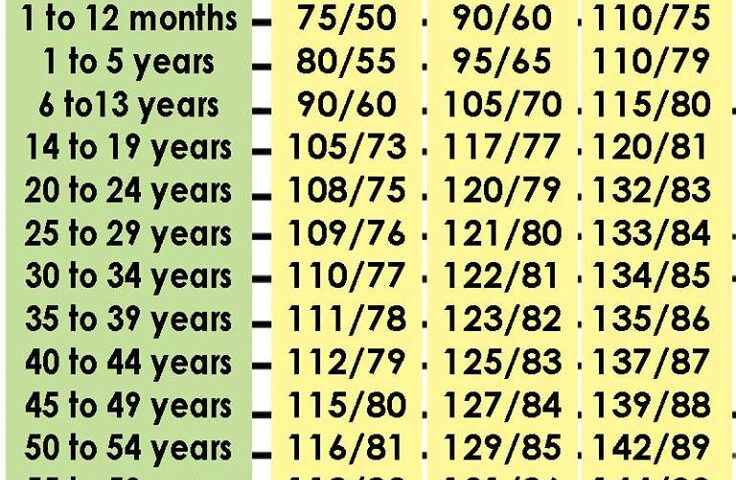
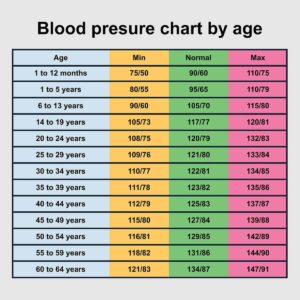
We often think that only affect adults, but that is not fully true. Children and teenagers can also face problems with their blood pressures. In simple words, mean the force of blood moving inside our blood vessels when the heart pumps. If this force becomes too high or too low, it can create health issues even at a young age.
Why do Children Face High or Low Blood Pressures?
In children, several reasons can lead to changes in Sometimes it is linked to family history, which means if parents or grandparents have high kids may also develop it.
In other cases, poor eating habits, too much salt in food, being overweight, or not playing outside enough can increase in children.
On the other hand, very low in kids may happen because of dehydration, infections, or not eating enough healthy food. Teenagers often skip meals or eat too much fast food, which can also affect their blood pressures.
https://bigapollospectra.com/blog/what-causes-blood-pressure-to-increase-with-age/
Risks for Teenagers with Blood Pressure Problems
Teenagers are at a stage where their body is growing fast. If their are not normal, it can make them feel dizzy, weak, or very tired. High in teenagers can slowly damage the heart and blood vessels, even if they don’t notice symptoms right away. This is risky because these problems can continue into adulthood.
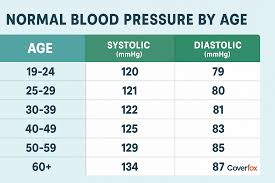
Common Symptoms in Children and Teenagers
- Headaches that come again and again
- Feeling tired without doing much
- Dizziness or fainting
- Nosebleeds (sometimes in high
- Trouble focusing on studies
Solutions and Healthy Habits for Young People
We should take steps early to manage blood pressures in children and teenagers. Some simple ways include:
- Eating fresh fruits and vegetables daily
- Reducing salty snacks, chips, and fast food
- Drinking enough water
- Playing outside or doing exercise at least 30–60 minutes a day
- Sleeping well at night without too much screen time
Parents should also check their child’s during regular doctor visits. Early detection helps prevent bigger health issues later.
Blood Pressures in Young Adults (20–40 Years)
Young adulthood is a busy stage of life. People start their careers, education, or family life. Stress and lifestyle choices play a big role here. The common reasons for high blood pressures in this age group are this stage of life, many lifestyle habits affect blood pressures:
- Stress from studies, jobs, or financial issues.
- Smoking, alcohol, or fast food eating habits.
- Lack of sleep and poor daily routine.
- Family history of high blood pressures.
Many people think that blood pressures are only a problem for older people, but the truth is that young adults between 20 and 40 years also face this health issue. At this stage of life, we are busy with studies, careers, family responsibilities, and social pressures.
These daily challenges can increase stress and directly affect our . If young adults do not care for their health, high or low may start silently and create serious health risks later. There are many simple but important reasons why young adults may develop problems with their
- Stress and Pressure – Job stress, exams, and financial struggles increase tension, which raises
- Unhealthy Food – Eating fried food, junk meals, and salty snacks adds too much sodium, which makes
- No Exercise – Sitting all day on computers or mobile phones reduces activity, which is one of the main causes of high
- Smoking and Alcohol – These habits damage the heart and raise
- Extra Weight – Obesity puts extra load on the body and is closely linked with high blood pressures.
- Family History – If parents or grandparents had abnormal the chance increases for young adults.
Risks of Blood Pressures in Young Adults
Ignoring at a young age can be dangerous. High damage the heart, brain, kidneys, and even eyes over time. They increase the risk of heart attacks and strokes later in life. Low on the other hand, can cause dizziness, fainting, weakness, and low energy. Both types of blood pressures affect normal life and can disturb studies, work, and family responsibilities.
Symptoms of Blood Pressures in Young Adults
Some young adults do not notice their at first, but slowly symptoms may appear, such as:
- Headaches or migraines
- Dizziness when standing up
- Tiredness or weakness
- Chest pain or tightness
- Shortness of breath
- Irregular or fast heartbeat
These signs are warnings that blood pressures are not normal and need attention.
How to Control Blood Pressures in Young Adults
The good news is that young adults can manage their with simple lifestyle changes:
- Eat Healthy Food – Add more fruits, vegetables, and whole grains. Avoid too much salt, oily meals, and junk food to keep
- Stay Active – At least 30 minutes of walking, jogging, or gym every day keeps blood pressures
- Manage Stress – Relaxation, meditation, and family time reduce stress and lower blood pressures.
- Avoid Smoking and Alcohol – Quitting these habits directly helps in controlling blood pressures.
- Maintain Healthy Weight – Reducing extra weight makes blood pressures stable and protects the heart.
- Regular Checkups – Even if we feel fine, checking blood pressures once or twice a year is important
In simple words, for young adults, the main reasons for blood pressures are stress, bad habits, poor diet, less sleep, and family background.
Blood Pressures in Middle Age (40–60 Years)
This is the age where the chances of high blood pressures increase a lot. Many people develop health problems in these years. The major reasons are:
sks of Blood Pressures in Middle Age
High in middle age can silently damage the body. It increases the risk of heart attacks, strokes, kidney failure, and vision problems.
Low can cause frequent dizziness, fainting, weakness, and reduced productivity. Both types of disturb daily life and may even shorten lifespan if left untreated.
Symptoms of Blood Pressures in Middle Age
Some common symptoms that people in this age group may notice include:
- Frequent headaches or heaviness in the head
- Blurred vision or eye strain
- Shortness of breath while walking
- Chest tightness or pain
- Irregular heartbeat
- Feeling tired even after rest
These warning signs should never be ignored because they can be early symptoms of abnormal
How to Manage Blood Pressures in Middle Age
The good news is that with the right steps, people in this age group can control their
- Eat a Heart-Healthy Diet – Focus on fresh fruits, vegetables, whole grains, lean proteins, and low-fat dairy. Reduce salt, fried food, and sugary drinks.
- Stay Physically Active – Brisk walking, yoga, or light exercise for 30 minutes daily helps maintain normal
- Reduce Stress – Meditation, deep breathing, and hobbies help keep under control.
- Limit Alcohol and Quit Smoking – These habits make worse and damage blood vessels.
- Check Blood Pressures Regularly – Home monitoring or doctor checkups help detect early changes.
- Control Other Health Issues – Managing diabetes, cholesterol, or thyroid problems also prevents abnormal
So, in middle age, the main reasons for blood pressures are weight gain, stress, unhealthy eating, diabetes, cholesterol, and natural changes in the arteries.
Blood Pressures in Older Adults (60+ Years)
In old age, high blood pressures become very common. The reasons are usually natural and long-term:
Artery stiffness: With age, arteries naturally become harder and less flexible, which increases blood pressures.
Weak heart and kidneys: Older adults often have weaker heart muscles and kidney functions, which raise blood pressures.
Long-term habits: Years of smoking, alcohol, poor diet, or no exercise show their effects in old age. These habits damage blood vessels and cause high blood pressures.
Side effects of medicines: Many elderly people take medicines for other health problems. Some medicines can increase blood pressures.
Lack of physical activity: Older adults move less due to weakness or health issues, which affects heart health and raises blood pressures.
In simple words, for older adults, blood pressures are usually caused by natural aging, weak organs, long-term habits, and medicines.
Conclusion
From children to old age, the reasons for blood pressures change. In kids, it is mostly junk food, obesity, and family history. In young adults, stress and unhealthy habits are the main reasons. In middle age, weight gain, diabetes, and artery stiffness play a big role. In older adults, natural aging, weak organs, and medicines cause high blood pressures.
By understanding the reasons at each stage of life, we can take the right steps to prevent and manage blood pressures. Eating healthy food, staying active, avoiding smoking, managing stress, and having regular health checkups are the best ways to protect the heart and keep blood pressures in control.
FAQs on Blood Pressures
1. What are blood pressures?
Blood pressures mean the force of blood pushing against the walls of our arteries. If this pressure becomes too high or too low, it can cause health problems.
2. What causes high blood pressures?
High blood pressures are caused by stress, unhealthy food, too much salt, lack of exercise, smoking, alcohol, obesity, and family history.
3. Can young people also have blood pressures?
Yes, abnormal blood pressures are not only a problem of old age. Children, teenagers, and young adults can also face this issue due to poor lifestyle and stress.
4. What are the symptoms of blood pressures?
Common signs of abnormal include headaches, dizziness, chest pain, shortness of breath, tiredness, and irregular heartbeat.
5. How can we prevent blood pressures?
We can prevent abnormal blood pressures by eating healthy food, exercising daily, reducing stress, avoiding smoking, limiting salt, and having regular checkups.
6. Which foods are good for controlling blood pressures?
Fruits, vegetables, whole grains, nuts, fish, low-fat dairy, and foods with less salt help keep normal.
7. Why is it important to check blood pressures regularly?
Because abnormal often have no early symptoms. Regular checkups help us detect problems early and protect the heart, brain, and kidneys.