
Introduction:
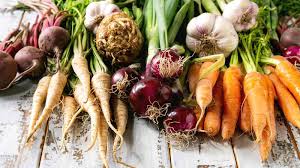
Root vegetables are called the “hidden treasures” of our diet because they grow under the ground and store energy, vitamins, and minerals. Eating root vegetables can improve digestion, strengthen immunity, and keep us warm in winter. Here is a detailed guide with headings for each root vegetable and how this root vegetables help us stay healthy.
http://Understanding Digestion Problems: Causes And Solutions:
Nutritional Comparison of Root Vegetables and Their Benefits:
| Root Vegetable | Key Nutrients | Major Health Benefits | Best Season |
| Beetroot | Iron, Folate, Antioxidants | Supports healthy blood, improves energy & heart health | Winter |
| Carrots | Vitamin A, Fiber, Beta-Carotene | Improves eye health, boosts immunity | All year |
| Potatoes | Carbs, Potassium, Vitamin B6 | Provides instant energy, strengthens muscles | Winter |
| Sweet Potatoes | Vitamin C, Fiber, Beta-Carotene | Boosts immunity, supports digestion & glowing skin | Winter |
| Turnips | Vitamin C, Minerals, Water content | Boosts immunity, improves hydration | Winter |
| Radish | Fiber, Vitamin C, Antioxidants | Detoxifies liver, improves digestion | Winter |
| Ginger | Anti-inflammatory compounds | Helps with cold, flu & digestion | Winter |
| Garlic | Sulfur compounds, Antioxidants | Fights infection, improves heart health | All year |
| Onions | Vitamin C, Flavonoids | Boosts immunity, supports respiratory health | All year |
| Parsnip | Fiber, Potassium, Vitamin C | Maintains heart health & blood pressure | Winter |
| Rutabaga | Fiber, Iron, Antioxidants | Improves gut health & boosts immunity | Winter |
| Cassava / Yuca | Carbs, Fiber | Provides long-lasting energy, good for athletes | All year |
| Taro | Carbs, Fiber, Potassium | Good for digestion, gentle for the stomach | Winter |
| Jícama | Fiber, Vitamin C | Helps weight control & gut health | Summer |
| Turmeric | Curcumin, Antioxidants | Reduces inflammation, boosts body defense | All year |
| Horseradish | Antioxidants, Vitamin C | Helps with cold & sinus relief | Winter |
| Arrowroot | Easy digestible carbs | Good for kids & sensitive digestion | All year |
| Fennel | Fiber, Vitamin C, Calcium | Reduces bloating & supports breathing | Winter |
Beetroot:
We should that we used beetroot is rich in iron, antioxidants, and float. It helps health, and boosts energy levels. We are Including beetroot in our meals makes our diet colourful and nutritious.
Turnips:
In this vegetable turnips contain vitamin C and fibber which support a strong immune system and improves health. These root vegetables help in digestion and keep our body hydrated because they naturally contain water.
Carrots:
We can say that carrots are popular because of their vitamin A content which keeps our eyes and skin healthy. They also help improve immunity and maintain healthy digestion of our body.
Parsnip:
Parsnips are sweet root vegetables rich in fibber, potassium, and vitamin C. They support heart health and help control blood pressure in a natural way.
Potato:
We should that we used Potatoes provides carbohydrates which gives energy. They are full of potassium and vitamin B6, making them a great food for children and adults during winter.
https://www.health.com/healthiest-root-vegetables-11835216
Celeriac:
Celeriac is a special root vegetable that supports digestion and reduces inflammation. It contains fiber and important minerals like phosphorus.
Radish:
We can say that we should always use Radish helps remove toxins from the body and supports liver health. It is low in calories and keeps digestion smooth, especially in winter.
Sweet Potatoes:
Sweet potatoes are packed with beta-carotene, fibber, and vitamin C. These root vegetables boost immunity and help maintain glowing skin.
Rutabaga:
Rutabaga is rich in fibber and antioxidants that protect the body from harmful substances. It supports a strong immune system and improves gut health.
Onions:
Onions are used in almost every dish. They boost immunity, improve digestion, and fight seasonal infections thanks to strong antioxidants.
Ginger:
Ginger is a warming root vegetable that helps reduce cold, cough, and nausea. It boosts digestion and immunity naturally.
Cassava:
Cassava provides carbohydrates that give long-lasting energy. It is a good source of fiber and supports healthy digestion.
Garlic:
Garlic protects the body from infections and strengthens the heart. It has natural antibacterial and antiviral properties.
Daikon:
Daikon radish helps improve digestion and removes extra fat from the body. It is light, fresh, and good for winter diets.
Turmeric:
Turmeric is a healing root vegetable known for its anti-inflammatory benefits. It supports immunity and improves overall body health.
Horseradish:
Horseradish helps clear mucus and supports breathing comfort in winter. It is rich in antioxidants and promotes better respiratory health.
Jícama:
Jícama is a crunchy root vegetable that supports weight control and digestion. Its natural fiber keeps the gut healthy.
Taro:
Taro is full of fiber and carbohydrates which give energy. It is gentle on the stomach and supports digestion.
Salsify:
Salsify is rich in iron and supports healthy blood production. It helps regulate digestion and keeps skin healthy.
Yuca:
Yuca or manioc provides natural energy and supports gut health. It is a popular root vegetable in many regions of the world
.Fruits Reduce Gas And Acidity In Digestion
Arrowroot:
Arrowroot powder is used for babies and those with sensitive stomachs. It helps improve digestion and provides light, natural nutrition.
Brassica rapa (Turnip Family):
This group of root vegetables supports immunity, bone strength, and overall health. It includes varieties that are rich in vitamins and minerals.
Colocasia esculenta (Taro Family)
These roots provide energy and support digestion. They help maintain healthy nutrition, especially in winter.
Fennel:
Fennel is a digestion-friendly root that helps reduce bloating and gas. It adds flavor to foods and supports respiratory health in winter.
Root vegetables are full of important nutrients that help our body stay strong, active, and protected. Including different root vegetables daily can improve immunity, boost digestion, and keep us healthy throughout the year especially in winter.
Summary:
Winter Benefits of Root Vegetables:
Root vegetables are especially great for winter because they:
Root vegetables Keep the body warm and energized in cold weatherand boost immunity and helps protect us from winter and infections Provide natural fibber to support digestion.
when we eat heavy winter foods Improve heart and lung health when cold temperatures affect breathing Offer long-lasting energy for daily activities.
in colder days Support healthy skin that often becomes dry in winter Are seasonal, fresh, and more nutritious during winter months. Root vegetables are help maintain a balanced diet when fewer fruits are available in cold weather.
“Healthy Winter Foods And Fruits”
In winter, adding root vegetables like carrots, beetroots, sweet potatoes, ran turnips to soups, stews, and meals keeps us healthy, strong, and active.
Questions (FAQs) About Root Vegetables:
Q1: What are root vegetables?
Answer:
Root vegetables are plants that grow under the ground and store energy for the plant. We eat the edible roots like carrots, potatoes, beetroot, and radishes.
Q2: Why are root vegetables good for winter?
Answer:
They provide warmth, boost immunity, and give long-lasting energy. They are fresh and more nutritious in the winter season.
Q3: Which root vegetables are best for health?
Answer:
Carrots, sweet potatoes, beetroot, radish, turnips, and ginger are some of the best because they have vitamins, minerals, and antioxidants.
Q4: Are root vegetables good for digestion?
Answer:
Yes! They contain natural fiber that supports a healthy stomach and keeps digestion smooth.
Q5: Can root vegetables help improve immunity?
Answer:
Definitely. Vegetables like garlic, onions, radish, and beetroot help the body fight infections in winter.
Q6: How can we cook root vegetables in a healthy
Way?
Answer:
We can boil, bake, steam, roast, or add them to soups and stews. Avoid deep frying to keep the nutrition high.
Q7: Do root vegetables help reduce weight?
Answer:
Yes, many of them are low in calories and high in fibber, helping us feel full for longer and manage weight better.
Q8: Are root vegetables good for heart health?
Answer:
Yes! Potassium, antioxidants, and fibber in root vegetables help control blood pressure and
Protect the heart.