Smoking and Delayed Healing After Dental Procedures
Smoking and delayed healing is a major concern for anyone undergoing dental procedures. Whether it’s tooth extraction, dental implants, or gum surgery, smokers face longer recovery times, higher infection risks, and more complications.
Nicotine and chemicals in tobacco constrict blood vessels, reducing oxygen and nutrient delivery to tissues. This slows natural healing and increases pain after procedures. Smoking also weakens gums, making them more prone to gum disease and long-term tissue damage.
Even routine procedures like fillings or cleanings may heal slower in smokers due to reduced blood flow and collagen production.such as
How Smoking Affects Healing?
Reduced Blood Flow:
Smoking constricts blood vessels, limiting oxygen and nutrient supply to healing tissues.
Higher Infection Risk:
Tobacco chemicals make gums more susceptible to bacteria, slowing recovery and increasing complications.
Delayed Tissue Repair:
Collagen production slows, delaying gum and bone repair after procedures
Increased Complications
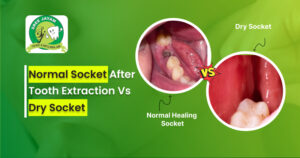
:Smokers are more likely to experience dry socket after tooth extraction or dental mplant failure.
Learn more about smoking and gum disease: Smoking effects on gum disease
Tips for Faster Recovery
Even if quitting completely is difficult, following these tips can help speed up healing:
Avoid smoking before and after procedures
Maintain excellent oral hygiene
Use antibacterial mouthwashFollow your dentist’s instructions carefully
Eat nutritious foods rich in vita
mins
Stay hydrated
For faster recovery, it is very important to stop smoking before and after the dental procedure. Even quitting for a few days can help healing, but quitting completely is the best choice. Always follow your dentist’s instructions, take medicines on time, and eat soft, healthy foods
Avoid alcohol, spicy foods, and hard foods that can irritate the healing area. Keep your mouth clean, get enough rest, drink plenty of water, and do not miss follow-up visits. These simple steps can help your mouth heal faster and reduce problems after dental treatment.
For implants: Dental implant failure causes
For tissue damage: Comprehensive tissue damage article
Why Quitting Smoking Helps?
Quitting smoking significantly improves healing and reduces complications:
- Faster gum and tissue repair
- Lower chance of post-procedure infections
- Better bone healing for implants
- Improved overall oral health
Even reducing smoking before a procedure can positively affect recovery. Dentists recommend 48–72 hours without smoking after extractions or gum surgery.
Tooth extraction recovery tips: Tooth extraction care
Common Procedures Most Affected
- Tooth Extraction:
Smokers have a higher risk of dry socket; healing is slower and more painful. - Dental Implants:
Nicotine slows bone integration, increasing the chance of implant failure. - Gum Surgery:
Healing of gum tissue is slower, raising infection risk. - Routine Cleanings and Fillings:
Even minor procedures take longer to heal due to weaker gums. - Tooth Extraction
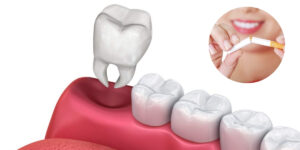
When a tooth is removed, the body forms a blood clot to protect the wound and help it heal. In smokers, smoking can remove or damage this blood clot, which leads to a painful condition called dry socket. Because smoking reduces blood flow, the wound heals more slowly, pain lasts longer, and swelling or infection is more likely.
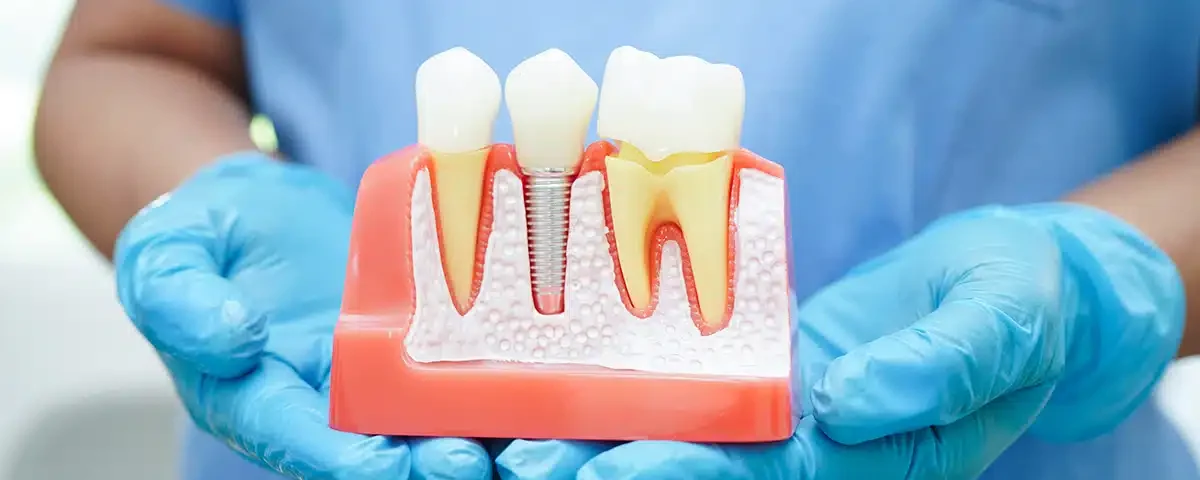
Dental Implants
Dental implants need strong bone healing to stay stable. Nicotine slows down bone healing and reduces the ability of the bone to join with the implant. This makes it harder for the implant to attach properly, increasing the risk of implant failure, loosening, or infection compared to non-smokers.
Gum Surger
After gum surgery, the gums need good blood supply to heal. Smoking reduces oxygen and nutrients reaching the gums, so gum tissue heals slowly. This delay increases the risk of infection, bleeding, and swelling, and the overall recovery time becomes longer.
Routine Cleanings and Fillings
Even simple dental treatments can be affected by smoking. Smokers often have weaker and inflamed gums, so healing after cleanings or fillings takes more time. The gums may remain sore, bleed easily, and are more likely to develop infection or further gum problems.
Simple Summary
Smoking makes all dental procedures heal more slowly. From simple cleanings to major surgeries, smokers face more pain, longer recovery, and higher risk of problems. Quitting or stopping smoking before and after dental treatment can greatly improve healing and success.
Preventing Oral Complications While Smoking
If quitting immediately isn’t possible:
- Brush and floss regularly
- Use antibacterial mouthwash
- Avoid smoking immediately after procedures
- Schedule regular dental check-ups
Learn more: Smoking and delayed healing
FAQ Section
Q1: How long does healing take for smokers?
A: Healing may take 1.5–2 times longer than in non-smokers due to reduced blood flow and oxygen.
Q2: Can I smoke after tooth extraction?
A: No, smoking immediately increases the risk of dry socket. Avoid for at least 48–72 hours.
Q3: Does quitting speed up recovery?
A: Yes, quitting improves blood flow, tissue repair, and gum health, leading to faster recovery.
Q4: Which procedures are most affected by smoking?
A: Tooth extractions, dental implants, and gum surgery are most affected. Even routine cleanings may heal slower.
Q5: Can I protect my gums if I can’t quit immediately?
A: Yes, maintain excellent oral hygiene, use antibacterial mouthwash, and avoid smoking right after procedures.
Conclusion
Smoking and delayed healing is a serious concern for anyone undergoing dental procedures. Nicotine slows blood flow, reduces oxygen, and increases infection risk.
Following tips like avoiding smoking, maintaining oral hygiene, eating nutritious food, and following dentist instructions can help recovery. Quitting smoking improves healing and protects overall oral health.
Explore more internal links:
- Smoking effects on gum disease
- Dental implant failure causes
- Comprehensive tissue damage article
- Tooth extraction care