 Thermal Energy in the Human Body
Thermal energy is one of the most important yet often overlooked forms of energy in the human body. When we talk about Types of Energy in the Human Body, we usually focus on physical or mental energy, but thermal energy plays a vital role in keeping us alive and functioning properly. Without proper heat production and temperature regulation, our organs, cells, and metabolic processes would fail to operate efficiently.
In this detailed guide, we will explore what thermal energy in the human body means, how it is produced, why it is important, and how we can naturally maintain healthy body temperature for optimal performance.
Types of Energy in the Human Body
What is Thermal Energy?
Thermal energy refers to the heat energy generated within the body as a result of metabolic processes. Every time our body breaks down food, contracts muscles, or performs cellular activities, heat is produced as a by-product.
In simple words, thermal energy is the body’s internal heat that helps maintain a stable temperature — a condition known as homeostasis.
The average normal body temperature is around 37°C (98.6°F). This stable temperature allows enzymes, hormones, and cells to function correctly.
How Thermal Energy is produced in the Body
Metabolisam
Thermal energy in the human body is mainly produced through:When we eat food, our body converts carbohydrates, fats, and proteins into usable energy (ATP). During this process, heat is generated. You can read more about this process in our detailed guide on
Energy and Metabolism in the Human Body
Muscle Activity
When muscles contract during movement or exercise, they produce heat. That’s why we feel warm after physical activity. Muscles produce movement by contracting and relaxing, which requires energy. Often, this energy comes from chemical energy stored in the body, which partly converts into thermal energy, warming the body.
Muscle activity not only helps in moving bones and joints but also maintains posture and stabilizes organs. Regular exercise increases muscle efficiency, allowing more energy to be used for movement while producing less fatigue.
This connects closely with our article on
Physical Energy and Muscle Performance
Shivering
When the body feels cold, muscles contract rapidly (shivering) to produce extra heat.
4. Thermic Effect of Food
Digesting food also produces heat. Protein-rich foods generate more heat compared to fats and carbohydrates.
The Role of Thermal Energy in Maintaining Homeostasis
The human body constantly works to maintain balance. Thermal energy is essential for:
- Maintaining stable enzyme activity
- Supporting metabolic reactions
- Regulating blood circulation
- Protecting organs from temperature damage
If body temperature rises too high, it may lead to heatstroke. If it drops too low, it may cause hypothermia. Therefore, thermal regulation is critical for survival.
https://en.wikipedia.org/wiki/Thermal_energy
Thermoregulation: How the Body Controls Heat
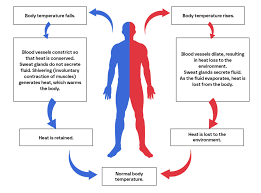
The body uses a system called thermoregulation to control internal temperature. The hypothalamus in the brain acts like a thermostat.
When the body gets too hot:
- Sweating begins
- Blood vessels expand (vasodilation)
- Heat escapes through the skin
When the body gets too cold:
- Shivering starts
- Blood vessels narrow (vasoconstriction)
- Heat is conserved
This balance ensures proper functioning of all other Types of Energy in the Human Body, including mental and physical energy.

Thermal Energy and Exercise
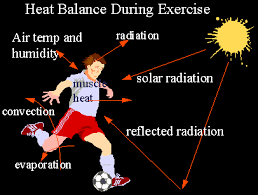
Exercise significantly increases thermal energy production. During intense activity:
- Heart rate increases
- Muscles generate heat
- Sweating regulates temperature
Regular physical activity improves the body’s ability to regulate temperature efficiently.
For better understanding, check our guide on
How Exercise Boosts Physical Energy
Thermal Energy and Metabolism
A faster metabolism produces more heat. This is why people with higher muscle mass often feel warmer. Muscle tissue burns more energy than fat tissue, generating more thermal energy even at rest.
This is also connected with mental performance. Learn more in our article about
Mental Energy and Brain Function
Factors That Affect Thermal Energy
Several factors influence thermal energy production:
Age
Older adults may produce less heat due to reduced muscle mass.
Gender
Men typically have higher muscle mass, which may result in slightly higher heat production.
Hormones
Thyroid hormones strongly influence metabolism and heat production.
Physical Activity
Active individuals produce more thermal energy.
Environmental Temperature
External weather conditions affect internal heat regulation.
Importance of Thermal Energy for Overall Health
Thermal energy is essential because it:
- Supports immune system function
- Helps detoxify the body through sweating
- Maintains proper digestion
- Protects brain and heart function
- Prevents metabolic slowdowns
When thermal balance is disturbed, it can lead to fatigue, weakness, dizziness, or severe medical conditions.
Signs of Poor Thermal Regulation
You may have thermal imbalance if you experience:
- Constant cold hands and feet
- Excessive sweating
- Heat intolerance
- Frequent chills
- Low energy levels
If symptoms are severe, medical consultation is recommended.
How to Naturally Support Thermal Energy
Here are practical ways to maintain healthy thermal energy:
✔ Exercise Regularly
Build muscle mass through strength training.
✔ Eat Balanced Meals
Include protein, healthy fats, and complex carbohydrates.
✔ Stay Hydrated
Water helps regulate body temperature.
✔ Get Enough Sleep
Proper rest supports metabolic balance.
✔ Manage Stress
Chronic stress can affect hormonal balance and temperature regulation.
Thermal Energy and Seasonal Changes
In winter, the body increases heat production to maintain warmth. In summer, sweating becomes more active to cool the body.
Seasonal awareness helps maintain energy balance and prevents heat-related illnesses.
Thermal Energy in Cellular Function
At the cellular level, ATP production releases heat. Mitochondria — known as the powerhouses of the cell — play a major role in generating both chemical and thermal energy. Without proper mitochondrial function, energy production and heat regulation decline.
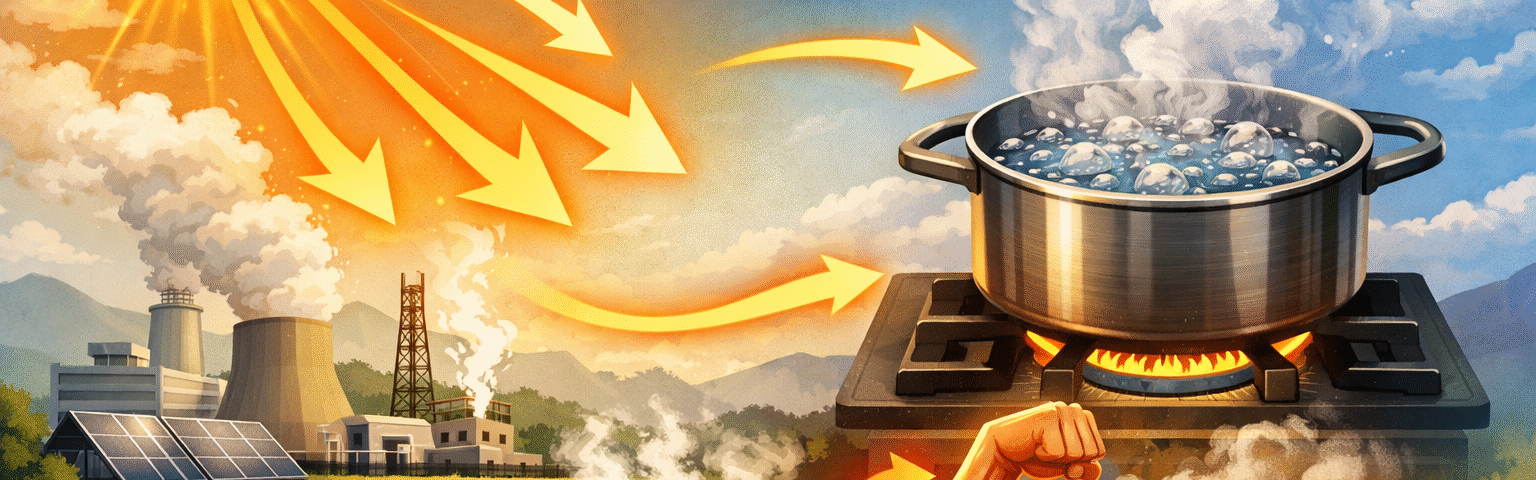
Explore thermal energy, its types, sources, and uses in daily life. Learn how heat energy impacts our world effectively.”
Thermal Energy vs Other Types of Energy
Within the broader concept of Types of Energy in the Human Body, thermal energy works alongside:
- Chemical Energy (ATP production)
- Physical Energy (movement and strength)
- Mental Energy (brain activity)
All energy systems are interconnected. A disturbance in one can affect the others.
Suggested Images for WordPress Upload
You can add these images inside your article:
- Human Body Temperature Regulation Diagram
- Thermoregulation Process (Sweating and Shivering)
- Mitochondria Structure Diagram
- Muscle Heat Production During Exercise
- Hypothalamus Brain Thermostat Illustration
(Add images after relevant headings for better SEO structure.)
FAQ Section
What is thermal energy in the human body?
Thermal energy is the heat produced during metabolic processes that helps maintain body temperature.
Why is thermal energy important?
It keeps enzymes active, supports metabolism, and maintains homeostasis.
How does exercise affect thermal energy?
Exercise increases muscle activity, generating more body heat.
Can poor metabolism affect thermal energy?
Yes, slow metabolism reduces heat production.
Which organ controls body temperature?
The hypothalamus in the brain regulates body temperature.
Conclusion
Thermal energy is a fundamental component of the Types of Energy in the Human Body. It supports metabolism, protects organs, and maintains balance through thermoregulation. By adopting healthy lifestyle habits such as regular exercise, balanced nutrition, and proper hydration, we can optimize thermal energy and enhance overall well-being.
Understanding how thermal energy works allows us to better care for our bodies and maintain long-term health.