
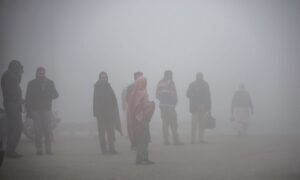
During winter, many cities are covered in a thick layer of smog that hangs low over buildings, streets, and parks. This grayfish haze is caused by a mix of vehicle exhaust, industrial emissions, burning trash and wood, and weather conditions like temperature inversion. These are the main reasons for smog in winter.
Why Smog Forms in Winter Cities?
Smog is a mixture of smoke, dust, and harmful gases that hangs in the air, creating a thick, grayish haze. During winter, smog becomes more visible and dangerous, especially in cities. Understanding the reasons for smog in winter helps us take preventive steps and protect our health.
Increased Vehicle Pollution:
In winter, car engines take longer to warm up, so they burn more fuel. Cold engines produce more smoke and harmful gases, including carbon monoxide and hydrocarbons. Cities with heavy traffic see more emissions, which directly contribute to smog in winter.
Industrial Emissions:
Factories release smoke, chemicals, and dust into the air daily. During winter, these pollutants cannot rise easily because cold air traps them near the ground. Industrial areas combined with vehicle pollution make smog worse, which is one of the main reasons for smog in winter.
Burning Trash and Wood:
People often burn firewood or household waste to keep warm during cold days. Burning plastic, paper, and wood releases toxic smoke and fine particles into the air. These particles mix with other pollutants and create dense smog that lingers in the city.
Low Wind Speed:
Winter is often characterized by calm or low-speed winds. Low wind prevents polluted air from dispersing, keeping smoke, dust, and harmful gases concentrated near the ground. Reduced wind speed is a natural factor that increases the reasons for smog in winter.
Temperature Inversion:
Normally, warm air rises, carrying pollutants away from the ground. During winter, temperature inversion occurs when a layer of warm air sits above cold air near the ground. This traps smoke, dust, and gases close to the surface, worsening smog in cities.
Geographic Features:
Cities in valleys or surrounded by mountains experience poor air circulation. Cold air gets trapped in valleys, and tall buildings block airflow in urban areas. Geography can make winter smog more severe because pollutants cannot disperse naturally.
Dry Air and Lack of Rain:
Winter air is often dry, so there is less natural cleansing of pollutants. Rain can wash dust and smoke particles out of the air, but in dry winters, pollutants accumulate. This is another key reason for smog in winter. Effects on Health and Environment
Breathing Problems: Coughing, wheezing, asthma attacks Eye and Throat Irritation Cardiovascular Strain Environmental Damage: Plants and trees may suffer; visibility decreases.
Smog forms in winter cities due to a combination of vehicle pollution, industrial emissions, burning waste, low wind speed, temperature inversion, geographic features, and dry air.

These are the main reasons for smog in winter. By understanding these factors, city residents and authorities can take measures to reduce smog and improve air quality.
https://www.iqair.com/pakistan
Effects on the City:
Winter smog has several visible and invisible effects on cities, affecting health, environment, and daily life. These effects are directly connected to the reasons for smog in winter such as vehicle pollution, industrial emissions, burning waste, low wind speed, and temperature inversion.
Reduced Visibility:
Thick smog forms a gray haze over streets, buildings, and parks.
Reduced visibility makes driving dangerous and increases the risk of accidents. Air pollution in winter creates a constant layer of haze, making cityscapes look dull and foggy.
Health Risks for Residents:
Respiratory Problems:
Smog contains harmful gases like carbon monoxide, nitrogen oxides, and fine dust, causing coughing, wheezing, and asthma attacks.
Eye and Throat Irritation:
Pollutants irritate the eyes and throat, especially in vulnerable groups like children and elderly people.
Cardiovascular Issues:
Long-term exposure to smog can strain the heart and lungs.
Environmental Damage:
Smog deposits harmful chemicals on plants and trees, affecting growth and health. Fine dust and smoke particles settle on roads, vehicles, and buildings, causing wear and tear. Wildlife in urban areas is also affected by poor air quality during winter.
Impact on Daily Life:
Outdoor activities are limited during heavy smog days. Schools, offices, and public places may warn residents to stay indoors. Tourism and city economy can be affected due to reduced visibility and poor air quality.
Long-Term Urban Effects:
Persistent winter smog reduces overall quality of life in cities. Chronic exposure increases healthcare costs and public health challenges. Addressing the reasons for smog in winter is crucial for sustainable city living.
Winter smog over cities causes reduced visibility, health risks, environmental damage, and disruption of daily life.
By understanding the reasons for smog in winter, city authorities and residents can take proactive measures to improve air quality, protect health, and maintain a cleaner environment.
How to Reduce Winter Smog?
Winter smog is a serious issue in cities due to vehicle pollution, industrial emissions, burning trash, low wind speed, and temperature inversion. Understanding the reasons for smog in winter can help us take effective steps to reduce its impact. Here are practical ways to minimize smog during winter:
Maintain Vehicles Regularly:
Ensure engines, catalytic converters, and spark plugs are in good condition. Replace dirty air filters and check oxygen sensors for accurate fuel combustion. Properly maintained vehicles produce fewer harmful gases, reducing smog in winter.
Use Public Transport or Carpool:
Reducing the number of vehicles on the road decreases emissions. Carpooling, cycling, and walking whenever possible can help lower air pollution.
Avoid Burning Trash and Wood:
Burning household waste or firewood releases toxic smoke. Use cleaner heating methods such as gas, electric heaters, or certified stoves. Preventing this source of smoke addresses one of the main reasons for smog in winter.
Limit Industrial Emissions:
Factories should use filters, scrubbers, and proper waste disposal methods. Regulations on industrial emissions can reduce airborne pollutants significantly.
Plant Trees and Urban Green Spaces:
Trees naturally absorb dust and smoke particles. Green areas improve airflow and reduce the concentration of pollutants near the ground
Monitor Weather Conditions:
On low wind or temperature inversion days, stay indoors if possible. Use air purifiers in homes and offices to reduce exposure to harmful particles. Reduce Short Vehicle Trips Short trips prevent engines from reaching optimal temperature, producing more emissions. Combining errands reduces unnecessary fuel use and helps lower smog in winter.
Spread Awareness:
Educate communities about the reasons for smog in winter and encourage environmentally-friendly practices. Public awareness campaigns can help people understand the importance of reducing pollution source.
Reducing winter smog requires a combination of personal actions, vehicle maintenance, industrial responsibility, and community awareness. Addressing the main reasons for smog in winter can help cities breathe cleaner air, protect health, and improve overall quality of life.
Q1: Why is smog worse in winter?
Answer:
Smog becomes worse in winter because cold air traps pollutants near the ground, low wind speeds prevent dispersion, and human activities like burning wood or trash increase emissions. These are the main reasons for smog in winter.
Q2: What are the main sources of winter smog?
Answer:
The main sources include vehicle pollution, industrial emissions, burning waste, low wind speed, and temperature inversion. All of these contribute to the poor air quality and are key reasons for smog in winter.
Q3: How does temperature inversion affect smog?
Answer:
Temperature inversion occurs when warm air sits above cold air near the ground, trapping smoke, dust, and gases. This prevents pollutants from dispersing, increasing smog in winter.
Q4: How can vehicle maintenance reduce smog?
Answer:
Regularly servicing engines, catalytic converters, spark plugs, and air filters ensures proper fuel combustion, which reduces harmful emissions and helps lower smog in winter.
Q5: What steps can cities take to reduce winter smog?
Answer:
Cities can promote public transport, regulate industrial emissions, plant trees, discourage burning trash or wood, and monitor air quality to reduce the reasons for smog in winter.
Q6: How does winter smog affect health?
Answer:
Winter smog can cause respiratory problems, asthma attacks, eye and throat irritation, and cardiovascular strain. Understanding the reasons for smog in winter can help prevent exposure and protect health.
Q7: Are geographic features a factor in winter smog?
Answer:
Yes, cities in valleys, surrounded by mountains, or with tall buildings can trap polluted air, making smog worse. Geography is one of the natural reasons for smog in winter.